
Explore editorial content built around Karabakh and Azerbaijan travel intent
The hub, tours page, Shusha page, and key guides are grouped together so readers can build context before making a travel decision.
Official and local signals, seasonal updates, and topics that materially affect travel planning.

News·Karabakh
A route-planning update on what's changing in Karabakh travel: clearer access, stronger Shusha-centered demand, and fewer overloaded programs.
·7 min read

News·Karabakh
A practical spring outlook for Karabakh tours, including timing, pacing, and why interest in Shusha-led itineraries rises as the weather softens.
·7 min read

News·Karabakh
Why interest in Shusha is deepening, how its role as the cultural capital of Azerbaijan shapes travel, and why the city now asks for its own time.
·8 min read
Intent-led pieces on Shusha, access rules, timing, and routes.
Guide·Karabakh
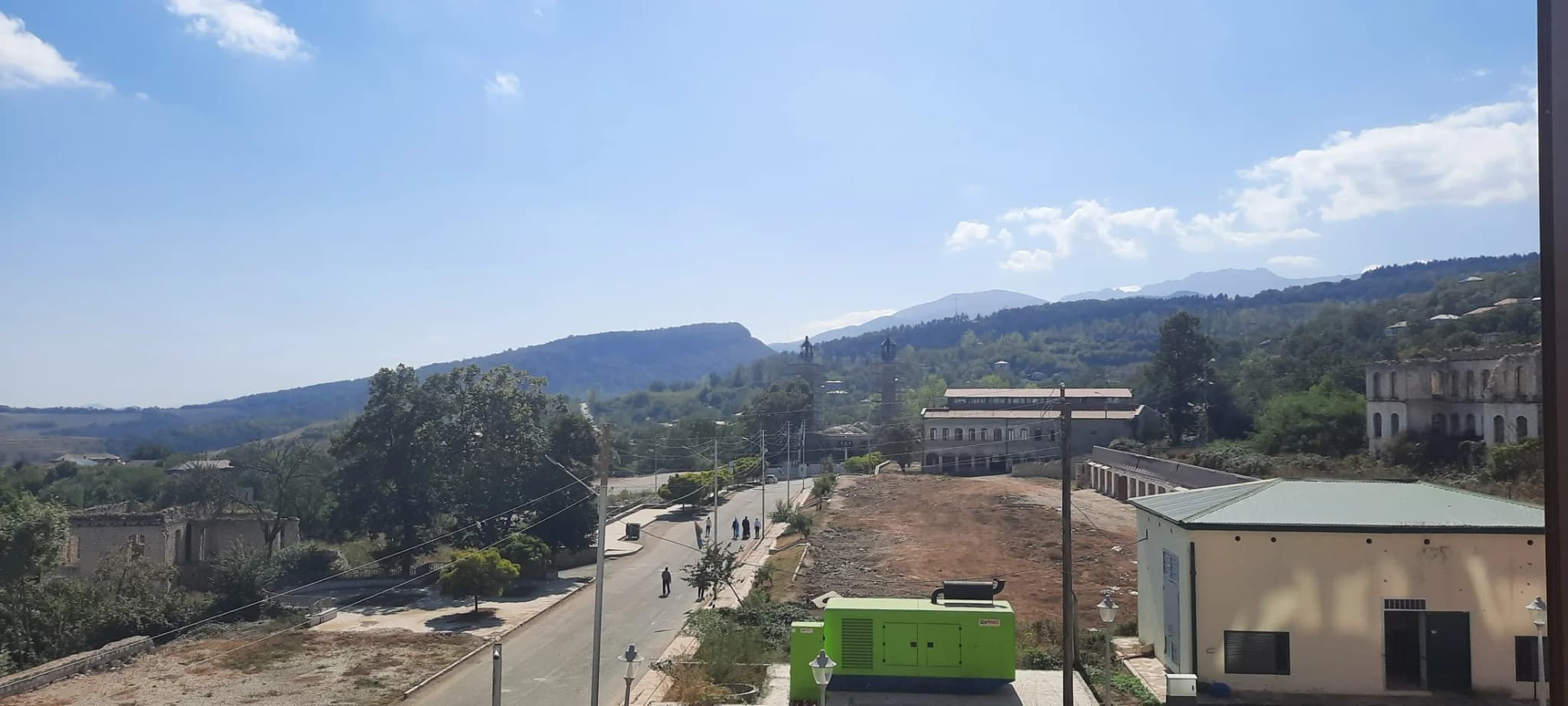
Driving to Shusha yourself versus taking a guided Karabakh tour: what each really costs in money and effort, and which one suits your trip.
·7 min read
Guide·Karabakh
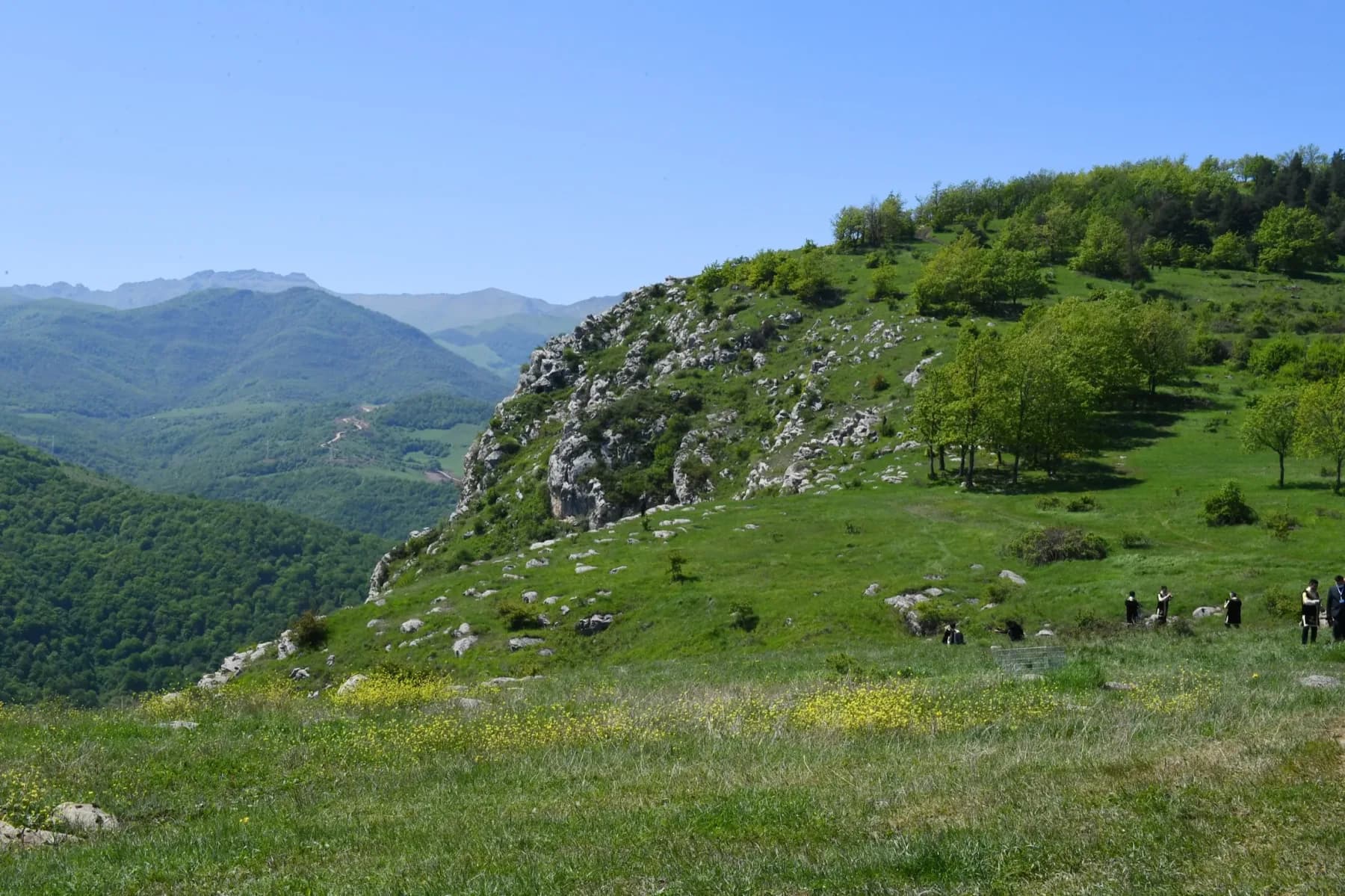
What a Karabakh trip actually costs from Baku: the tour price, what it covers, what it does not, and the extras worth budgeting for before you book.
·7 min read
Guide·Karabakh
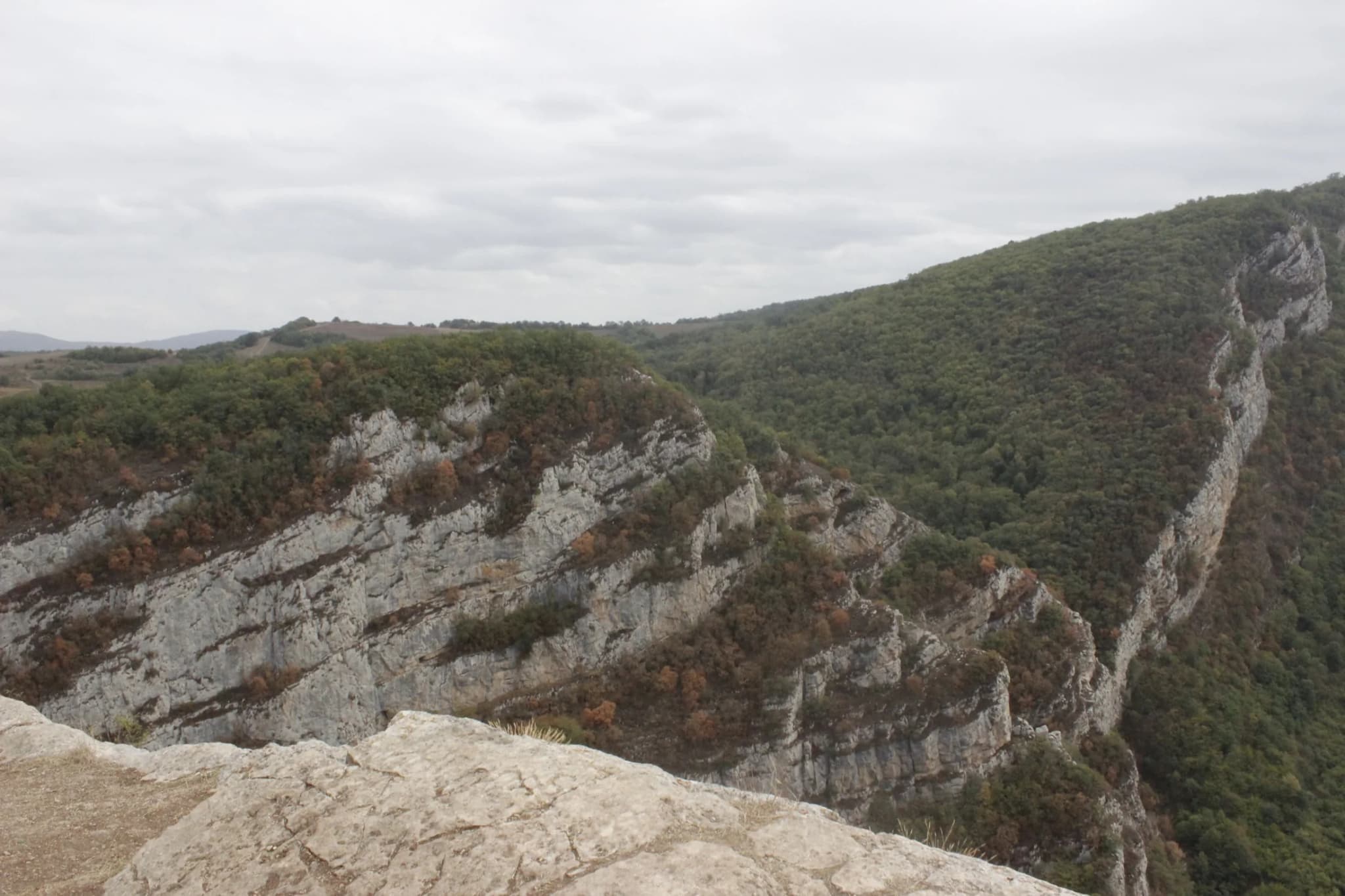
One day, two days or three in Karabakh: what each format actually gets you, who each one suits, and the honest trade-off between time and money.
·6 min read
Explore editorial content built around Karabakh and Azerbaijan travel intent
Guide·Karabakh
Driving to Shusha yourself versus taking a guided Karabakh tour: what each really costs in money and effort, and which one suits your trip.
·7 min read
Guide
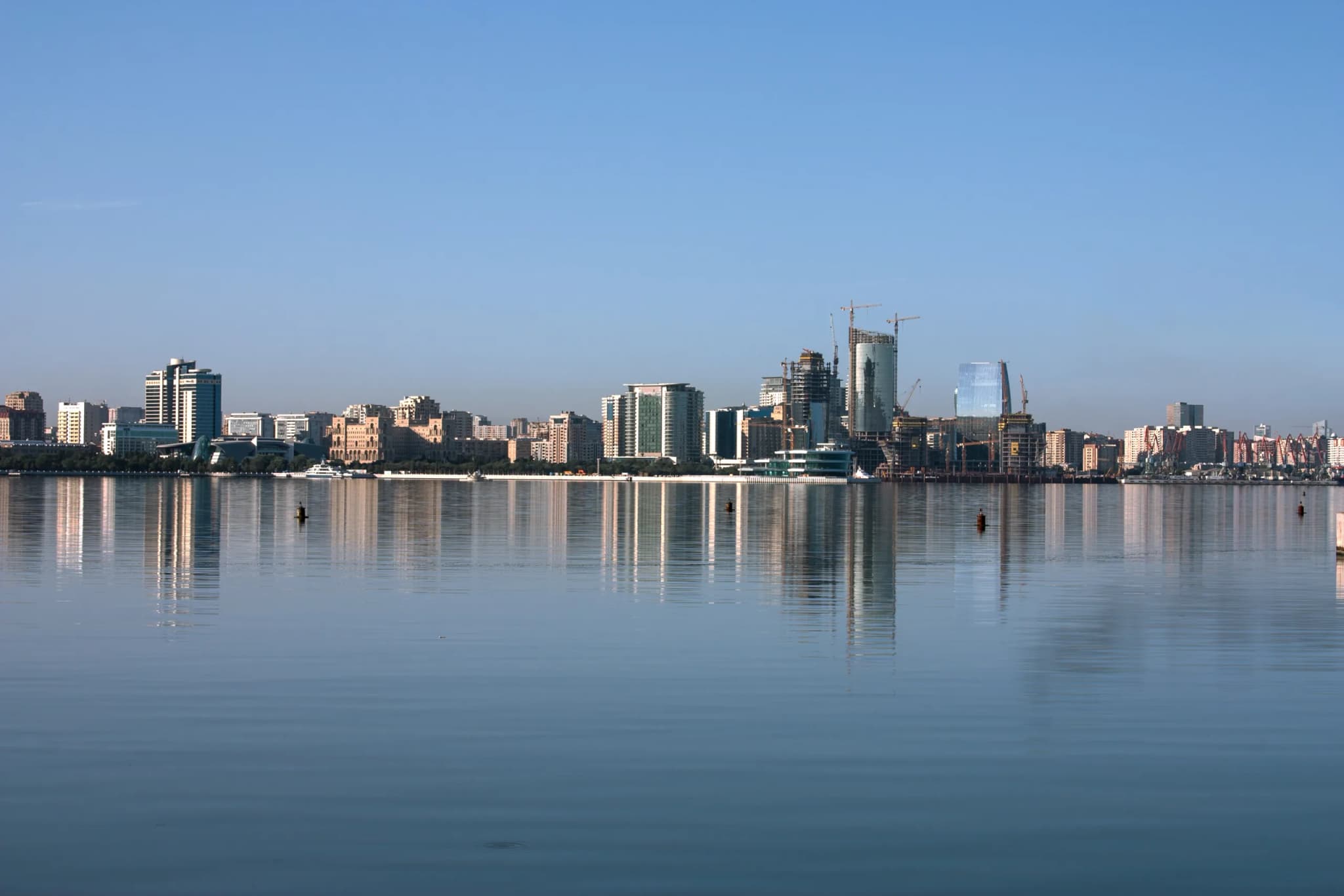
How long to spend in Azerbaijan: what 3, 5, 7 and 10 days each realistically get you, what the travel days cost, and how to decide before you book flights.
·8 min read
Guide·Karabakh
What a Karabakh trip actually costs from Baku: the tour price, what it covers, what it does not, and the extras worth budgeting for before you book.
·7 min read
Guide·Karabakh
One day, two days or three in Karabakh: what each format actually gets you, who each one suits, and the honest trade-off between time and money.
·6 min read
Guide·Karabakh
Exactly what is covered on a Karabakh tour from Baku: transfers, driver-guide, planning and accommodation, plus the things you still pay for yourself.
·6 min read

Guide·Karabakh
A guide to traditional Karabakh food (kebab, bozbash, xəngəl, kətə, motal cheese and Shusha's famous sweets) plus where to try them today.
·8 min read
Itinerary
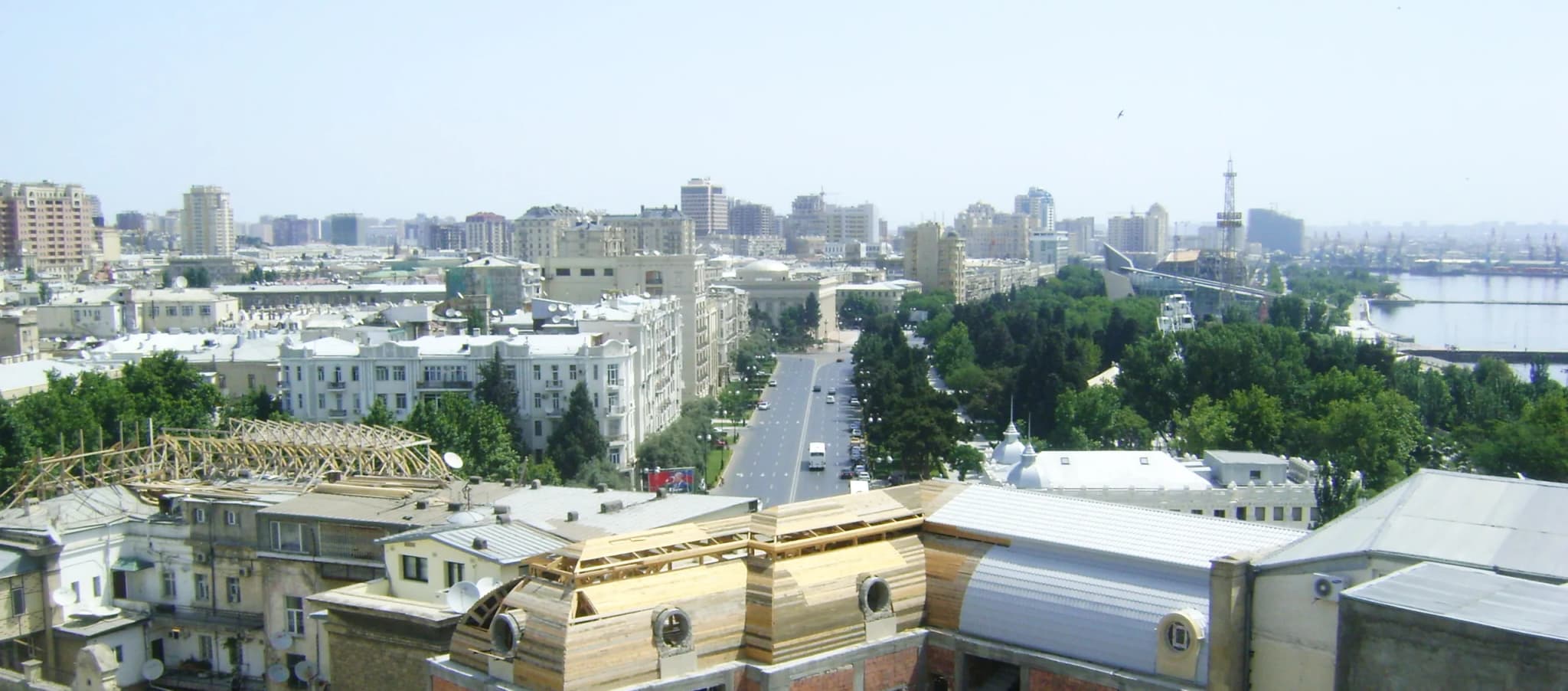
A practical 7-day Azerbaijan itinerary covering Baku's Old City and Flame Towers, Gabala's nature, the craft town of Sheki, and Karabakh's Shusha.
·11 min read

Guide
From Gobustan's mud volcanoes to the Flame Towers and Khinalug, discover seven one-of-a-kind sights you'll find nowhere but Azerbaijan.
·8 min read
Guide
The medieval castles of Absheron near Baku, Mardakan, Ramana and Nardaran: their history as watchtowers and how to visit on a day trip.
·8 min read
Guide·Karabakh
Aghdam in Karabakh, once the 'Hiroshima of the Caucasus', now a vast reconstruction site. Its history, the surviving Juma Mosque, and how to visit today.
·9 min read
Guide
Alinja Castle in Nakhchivan, the cliff-top fortress called the 'Machu Picchu of Azerbaijan': its history, the long climb of steps, and how to visit.
·8 min read

Guide
Azerbaijan's fire sights near Baku, the Ateshgah fire temple and Yanar Dag burning hillside. Why it's the 'Land of Fire', and how to visit.
·9 min read
Guide
A clear 2026 overview of Azerbaijan's ASAN Visa e-visa for foreign tourists, who needs a visa, the online process, and where to confirm details.
·9 min read

Guide
A practical guide to Azerbaijan for German travelers: hiking in Gabala, history in Baku and Sheki, plus flights, visa, transport and budget tips.
·10 min read
Guide
From Baku's Nizami statue to the poets of Karabakh, a guide to the monuments that tell Azerbaijan's story: who they honor and why they matter.
·10 min read

Guide
How Baku blends Eastern tradition with Western modernity, the medieval Old City beside the Flame Towers, fusion cuisine, and the Caspian seafront.
·9 min read

Guide
A self-guided walking route through Baku's monuments and statues, Nizami Square, the Museum of Literature and more, with the history behind each stop.
·9 min read
Guide
A guide to Icherisheher, Baku's UNESCO-listed Old City, the Maiden Tower, the Palace of the Shirvanshahs, and a thousand years of history on foot.
·8 min read

Guide·Karabakh
How to travel from Baku to Shusha in 2026, the route and drive time, organized tour vs self-drive, the access framework, and what to see on the way.
·9 min read

Guide·Karabakh
A seasonal guide to Karabakh, why spring and early autumn are the most balanced choices, when a Shusha-led route is strongest, and when to plan.
·8 min read
Guide·Karabakh
The new airports at Fuzuli, Zangilan and Lachin, how they changed access to Karabakh, what each serves, and why they matter for travelers.
·8 min read
Guide
Gabala in northern Azerbaijan, ancient capital of Caucasian Albania and today's top mountain resort: its history, Tufandag slopes, lakes and how to visit.
·9 min read
Guide
A guide to Ganja, Azerbaijan's historic second city, the Nizami mausoleum, the Bottle House, Juma Mosque and caravanserais, and how to visit.
·10 min read

Guide
Gobustan National Park near Baku, a UNESCO rock-art landscape of ancient petroglyphs and the Gaval Dash musical stone, and how to visit.
·9 min read

Guide
A guide to Goygol, the mountain lake and national park near Ganja, how an earthquake created it, its protected nature, and nearby German heritage.
·8 min read
Guide·Karabakh
A practical guide to Shusha travel: how to plan the city as the cultural heart of Karabakh, how much time to allow, and how to connect it to a wider route.
·8 min read
Guide
How to verify Azerbaijan travel details before you book (e-visa status, flight schedules, and Baku, Shusha and Karabakh site access) using official sources.
·8 min read
Guide·Karabakh
Is Karabakh safe for tourists in 2026? A straight, practical answer, what to expect, how access is arranged, and the official sources to check first.
·10 min read
Guide·Karabakh
Jidir Düzü, the historic plain at the edge of Shusha, and the nearby Topkhana forest, their place in Karabakh's culture and how to experience them.
·8 min read
Guide·Karabakh
Kalbajar, the high mountain district of Karabakh. Its alpine landscapes, the famous Istisu mineral springs, and why it is a striking destination.
·8 min read
Itinerary·Karabakh
A sample 3-day Karabakh itinerary with Shusha as the main cultural center, a more disciplined entry rhythm, and selected scenic stops.
·9 min read
Guide·Karabakh
The official Karabakh access framework explained: why the official portal is resident-only, and how foreign passport holders actually arrange access.
·8 min read
Guide·Karabakh
A guide to the Karabakh carpet-weaving tradition, the schools, the motifs, the UNESCO-recognized art, and where to see these carpets on a trip.
·9 min read
Guide·Karabakh
A guide to the Karabakh horse, the golden-coated mountain breed and one of Azerbaijan's oldest symbols: its history, Shusha links, and where it lives.
·8 min read
News·Karabakh
A route-planning update on what's changing in Karabakh travel: clearer access, stronger Shusha-centered demand, and fewer overloaded programs.
·7 min read
Guide·Karabakh
The historic mosques and sacred architecture of Karabakh, the Govhar Agha mosque in Shusha, the Aghdam Juma Mosque, and how restoration is reviving them.
·10 min read
News·Karabakh
A practical spring outlook for Karabakh tours, including timing, pacing, and why interest in Shusha-led itineraries rises as the weather softens.
·7 min read
Guide·Karabakh
Clear answers to the top Karabakh travel questions for 2026: visas, permits, the official access framework, and where to verify official rules.
·10 min read
Guide·Karabakh
A guide to Khankendi, the largest city of the Karabakh region today. Its setting below Shusha, its role in the region's future, and how to understand it.
·9 min read
Guide·Karabakh
The Kharıbülbül, the rare flower that grows around Shusha and became a symbol of Karabakh, and the music festival that carries its name.
·8 min read
Guide·Karabakh
A guide to Lachin, the mountainous western gateway to Karabakh. Its strategic setting, the road that connects the region, and its crossroads history.
·8 min read
Guide
A guide to Lahij, the mountain craft village of Azerbaijan. Its cobbled streets, centuries-old coppersmithing, and this Silk Road settlement.
·8 min read

Guide
The Momine Khatun Mausoleum in Nakhchivan, the 12th-century masterpiece by Ajami Nakhchivani, its geometric brickwork, and its architectural legacy.
·9 min read

Guide
A complete Nakhchivan travel guide, reaching the exclave by air from Baku, sights from Momine Khatun to Duzdag salt cave, and when to go.
·9 min read

Guide
A guide to the Nizami Ganjavi mausoleum in Ganja, who the 12th-century poet was, why he matters to Azerbaijan, and how to visit the monument.
·9 min read
Guide
A guide to Novruz, Azerbaijan's ancient spring festival. Its bonfires and rituals, the semeni and sweets, the four Tuesdays, and how to experience it.
·9 min read

Guide
A practical guide to Sheki Bazaar: what to buy, realistic price ranges, the best time to go, and how to get there from Baku for a smooth half-day visit.
·9 min read

Guide
The Palace of the Sheki Khans, a UNESCO-listed masterpiece. Its painted halls and famous shebeke stained-glass windows made without nails or glue.
·9 min read
Guide·Karabakh
The story of Shusha's three busts, poets Natavan and Vagif and singer Bulbul, how they were shot, rescued, and finally returned home to Karabakh.
·9 min read
News·Karabakh
Why interest in Shusha is deepening, how its role as the cultural capital of Azerbaijan shapes travel, and why the city now asks for its own time.
·8 min read
Guide·Karabakh
The history of Shusha Fortress, founded by Panahali Khan in the 18th century as seat of the Karabakh khanate. What survives today and how to visit.
·9 min read
Guide·Karabakh
Shusha's musical heritage, why it's called the conservatory of the Caucasus, its role in mugham and professional Azerbaijani music, and its figures.
·9 min read
Guide·Karabakh
The Vagif Mausoleum on Shusha's Jidir Duzu, who Molla Panah Vagif was, why his tomb is a landmark, and how the Vagif Poetry Days festival returned.
·9 min read
Guide·Karabakh
Yes, foreign tourists can visit Karabakh independently. Here's why the official portal blocks foreign passports, and how to travel on your own in 2026.
·9 min read

Guide
A food lover's guide to Azerbaijani cuisine, 14 essential dishes from plov and dolma to qutab and pakhlava, with where to try each.
·9 min read
Guide·Karabakh
Why Karabakh is not a generic regional tour but a destination shaped by its history, Shusha's cultural weight, and a reopening travel framework.
·9 min read
Guide
Wondering why you should travel to Azerbaijan? Seven reasons, UNESCO history, dramatic mountains, the Caspian, great food and warm hospitality.
·10 min read

Guide
Why visit Baku? Nine reasons to see the 'City of Winds' on the Caspian in 2026 (UNESCO Old City, Flame Towers, food) plus what Baku is famous for.
·9 min read
Guide·Karabakh
A guide to Zangilan in southern Karabakh, the rare Basitchay plane forest, the 'smart village' rebuilding, and why this corner is worth it.
·8 min read