
·8 min read
Why Shusha is becoming the cultural center of a Karabakh trip
Why interest in Shusha is deepening, how its role as the cultural capital of Azerbaijan shapes travel, and why the city now asks for its own time.
The most important change in interest around Shusha is not just volume. It is intent. Travelers increasingly want time for the city itself rather than a quick stop between viewpoints.
That shift moves Shusha from an add-on into the real center of the route. Below we explain what is driving it, what the city holds that rewards a slower visit, and how to plan around it.
Why this matters
When Shusha is squeezed into a short stop, the whole program feels compressed. When the city gets enough time, Karabakh starts to feel more coherent and meaningful. Shusha explains the region first, then panoramic and heritage stops deepen the experience.
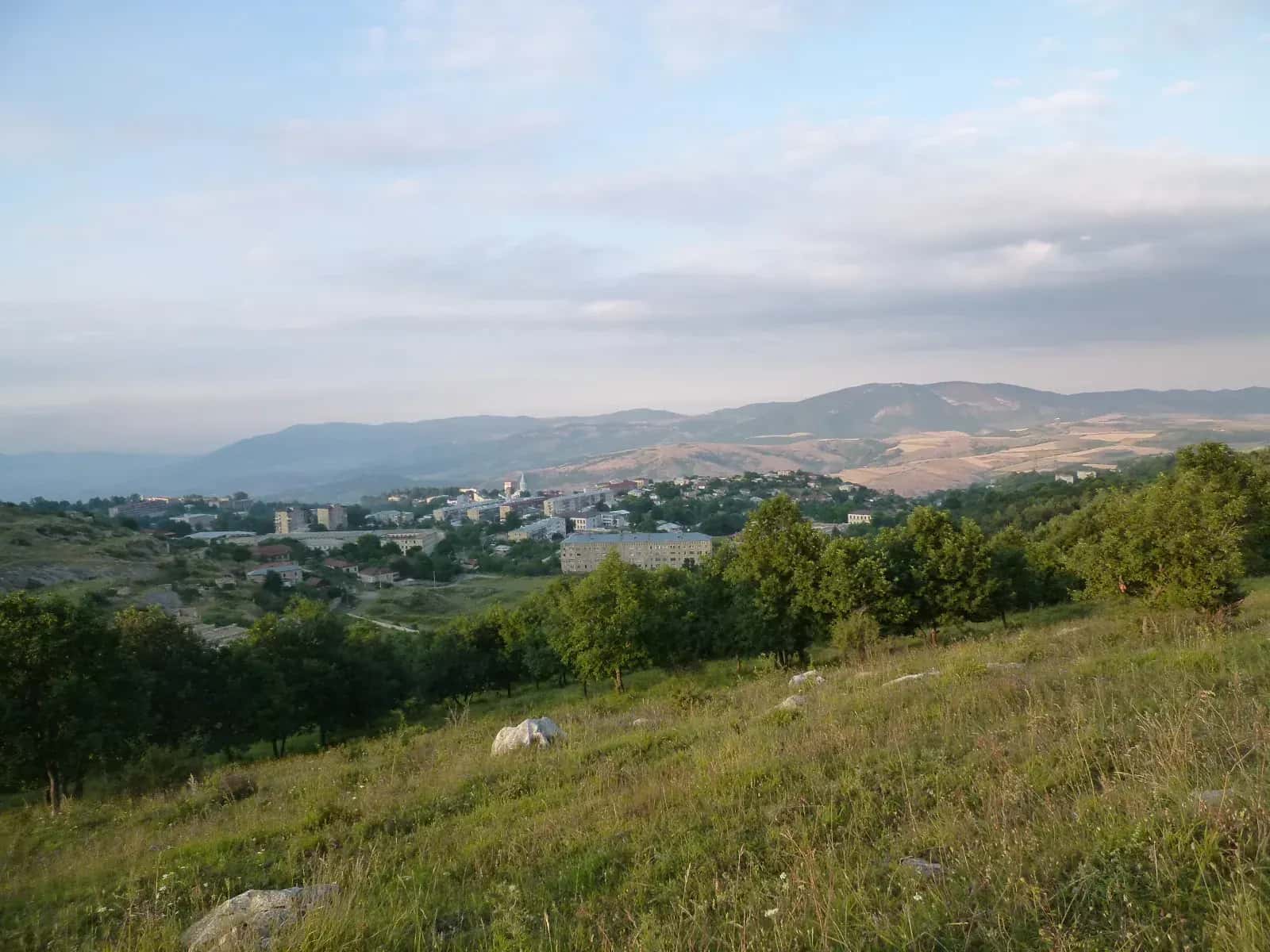
Shusha is a hill town of narrow streets, old mansions, mosques, and monuments, and its meaning is layered into those details rather than concentrated in a single photo-stop. A place like that repays walking pace. Rush it and you see a viewpoint; give it time and you start to read the city.
Why the cultural-capital framing matters
Official Azerbaijani framing presents Shusha as the cultural capital of Azerbaijan. That matters because it changes what travelers expect. They are not just asking what to see. They want to understand what the city represents.
The framing is not marketing invented for tourism. Shusha was founded in the 18th century as the seat of the Karabakh khanate, and over the following two centuries it grew into an important center of Azerbaijani music, poetry, and craft. Understanding that lineage is what turns a visit from sightseeing into something that sticks. Our Shusha Fortress history traces how the mountain town became the region's stronghold.
What the city holds
Shusha's reputation rests on a genuinely dense cultural inheritance. A few threads run through almost any visit:
- Music. Shusha is often described as the cradle of Azerbaijani professional music and of mugham, the improvised classical vocal tradition, and generations of celebrated singers and composers came from here. Read more in our Shusha music heritage guide.
- Poetry and monuments. The city is tied to poets such as Molla Panah Vagif and Khurshidbanu Natavan, and their memory is written into its landmarks, from the Vagif Mausoleum to the busts of Natavan, Vagif and Bulbul that were removed, recovered, and returned.
- Landscape and legend. Above the town lies Jidir Düzü, the historic plateau, and the Topkhana forest, long woven into Karabakh's culture and among its most evocative settings.
- A living symbol. The rare Kharıbülbül flower grows around Shusha and lends its name to a music festival that has become closely associated with the city.
None of this is a checklist to power through. It is why the city works better with a day than with an hour.
What Pink Travel sees
Travelers asking about Shusha usually want three things at once:
- cultural depth
- strong panoramic moments
- a route that does not feel overloaded
That is why Shusha works best with carefully chosen priorities and a real sense of place. In practice, we find visitors remember the city most when they slow down for a handful of meaningful stops rather than trying to tick off everything.
When to come and how long to stay
Shusha sits high in the Karabakh uplands, so its rhythm follows the mountains. Late spring through early autumn is generally the most comfortable window, with green slopes and long, clear days; the shoulder seasons can be crisp, and winters at altitude are cold. For a fuller seasonal breakdown, see our guide to the best time to visit Karabakh.
On time: give the city itself close to a full day if you can. That is enough to walk the old streets, take in the main monuments, and pause at a viewpoint or two without racing. Bring layers, mountain weather shifts quickly, along with comfortable shoes for uneven streets, sun protection, and water.
How Shusha fits a wider route
Most travelers reach Shusha as part of a broader Karabakh trip rather than on its own. For the practicalities of the journey (the route, drive time, and how to structure the day) see Baku to Shusha: how to get there. For a worked example that keeps the city at the center, our 3-day Karabakh itinerary shows one sensible rhythm, and how to plan a Shusha trip sets out the framework in more detail.
Planning outcome
If Shusha is at the center of your interest in Karabakh, build the route around that. Do not push the city to the edge of the program. For the broader context, continue with Why Karabakh matters now. The official framing of Shusha as the cultural capital is reflected on the official sources.
FAQ
Why should Shusha be the center of a Karabakh trip?
Because Shusha explains the region first; when the city gets enough time, Karabakh feels more coherent and meaningful. Squeezed into a short stop, the whole program feels compressed.
How much time does Shusha need?
Enough to feel the place rather than rush it, usually a full day within a 2-3 day program. For a practical framework, see how to plan a Shusha trip.
Why does the cultural-capital framing matter?
The official Azerbaijani framing presents Shusha as the cultural capital of Azerbaijan, which shifts what travelers want: not just what to see, but what the city represents.
What is Shusha actually known for?
Above all, culture: it is closely tied to Azerbaijani music and mugham, to poets such as Vagif and Natavan, and to landmarks and landscapes like Jidir Düzü. Our Shusha music heritage guide is a good place to start.
When is the best time to visit Shusha?
Late spring through early autumn is generally the most comfortable, thanks to the city's mountain setting; the shoulder seasons are cooler and winters are cold at altitude. See the best time to visit Karabakh for the full picture.
Can I visit Shusha in a day, or should I stay longer?
You can see the highlights in close to a full day, and many travelers do exactly that as part of a two- or three-day Karabakh route. Our 3-day Karabakh itinerary shows how the city fits a longer trip.
Want a Shusha-led route? Message Pink Travel on WhatsApp with your dates and priorities, and we'll design a Karabakh trip that puts Shusha at its center.
Plan Your Karabakh Trip
The main Karabakh planning pages in one place
The hub, tours page, Shusha page, and key guides are grouped together so readers can build context before making a travel decision.
For a long time, Karabakh was mostly known from a distance. Now Shusha, changing access rules, and rebuilding tourism infrastructure are turning it into a destination people can plan with more intention.
Shusha-led routes of one to three days, your entry permit filed for you, and a firm per-person price before you commit to anything.
Why the official Karabakh permit portal won't work for you