
·9 min read
Sheki Bazaar guide: what to buy, prices, best time
A practical guide to Sheki Bazaar: what to buy, realistic price ranges, the best time to go, and how to get there from Baku for a smooth half-day visit.
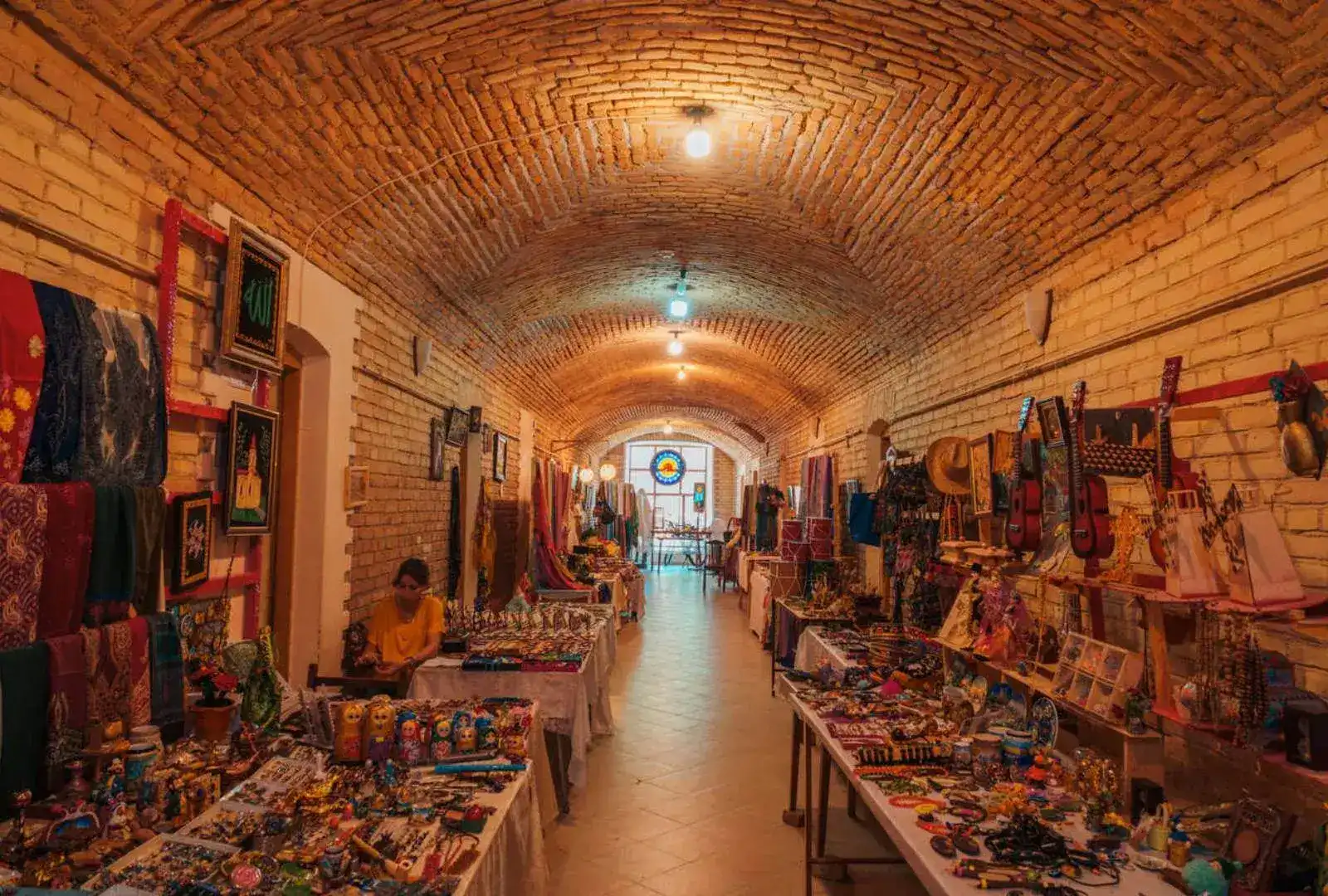
Sheki Bazaar is one of those places where the real city shows up. It is not a polished souvenir strip built for tour buses; it is a working market where locals buy spices, tea, and fresh produce, and where the famous Sheki halva is made and sold in the open. If you want a single, honest stop that captures the flavor of northern Azerbaijan, this is it.
This guide covers what is actually worth buying, rough price ranges so you are not caught off guard, the best time to visit, and how to get there from Baku.
Why Sheki, and why its bazaar
Sheki sits on the southern slopes of the Greater Caucasus, in the green northwest of Azerbaijan, and it has been a trading and crafts town for centuries. It was a stop on Silk Road routes, and that history still shows in what the market sells: silk, copper, and the sweets that traders and locals have long carried home. The town's historic centre, together with the Khan's Palace, is recognized on the UNESCO World Heritage list, so the bazaar is not a standalone attraction but part of a genuinely old, layered place.
What makes the market worth your time is that it never stopped being useful to the people who live here. You are shopping shoulder to shoulder with residents doing their weekly errands, which is exactly why it feels honest. For the wider case for coming this far north, our guide to reasons to travel Azerbaijan puts Sheki in context.
What to buy at Sheki Bazaar
Sheki has a few specialties that are genuinely tied to the region, plus the usual market goods. Focus on what Sheki does well:
- Sheki halva (Şəki halvası), the star product. This is not the soft block halva you may know; it is a layered, syrup-soaked pastry with nuts. Buy it fresh from a maker, not pre-packed.
- Silk, Sheki was a major stop on the Silk Road, and scarves and small silk pieces are a meaningful, lightweight souvenir.
- Tea and spices, loose black tea, dried herbs, sumac, saffron blends, and dried fruit and nuts sold by weight.
- Ceramics and copperware, bowls, plates, and traditional copper pieces, often from nearby craft villages.
- Papaq (wool hats), the traditional sheepskin hats make a distinctive gift if you want something unmistakably local.
If you have a soft spot for copper, note that coppersmithing is a living craft in this part of the country. The village of Lahij, reached on the way to or from Sheki, is famous for it. See our Lahij coppersmith village guide if you want to see the workshops that supply markets like this one.
Rough prices (approximate)
Treat these as ballpark ranges, not fixed prices. Markets shift, and quality varies a lot within each category:
- Sheki halva: a small fresh portion is usually inexpensive; a full box for gifts costs more depending on size.
- Silk scarves: a wide range, from modest blended scarves to higher-priced pure silk pieces.
- Tea and spices: sold by weight, so cost depends on quantity; small bags are very affordable.
- Ceramics and copper: small bowls are cheap; larger handmade copper pieces are the priciest items here.
Bring cash in small denominations. Card acceptance is patchy among individual stalls, so cash keeps things simple. Bargaining is normal for crafts and bulk goods, but be gentle and reasonable, especially with halva makers and food vendors.
A quick word on Sheki halva
Because it is the one thing almost everyone comes for, it is worth knowing what you are looking at. Sheki halva is a regional sweet built from thin strands of dough arranged in a lattice, layered with crushed nuts, and soaked in syrup, then often tinted with saffron and topped with more nuts. It is cut into diamonds and sold by the piece or the box. Made fresh, it should be fragrant and just-sticky rather than dry.
The best way to buy it is to watch it being made and taste before you commit, good vendors expect this. If you plan to carry a box home, ask for it packed for travel and eat the loose pieces first; it is at its best fresh. For where Sheki halva sits among the country's other sweets, our guide to what to eat in Azerbaijan has the full picture.
Best time to visit
Mornings are best. The market is liveliest and freshest earlier in the day, halva is being made, and the light is good for photos. Late morning through early afternoon still works well.
Seasonally, late spring through autumn is the most pleasant window, when Sheki's hillside setting and surrounding greenery are at their best. Winter visits are quieter and still rewarding if you do not mind cooler weather. Because Sheki sits at some altitude in the foothills, it tends to feel cooler and fresher than Baku, so pack a light layer even in the warmer months.
How long to spend and what to bring
The bazaar itself is a comfortable one to two hours, long enough to browse the food stalls, taste halva, and pick up silk or copper without rushing. Pair it with the palace and old town and you have an easy, full half-day.
A few practical things worth having with you:
- Cash in small notes, as above, for stalls and food vendors.
- A tote or soft bag for what you buy; produce and sweets are not always given sturdy packaging.
- Comfortable shoes, the market and the surrounding old streets are cobbled and gently sloped.
- A light layer, since mornings and the hillside setting can be cool.
How to get there from Baku
Sheki sits in the northwest, roughly a several-hour drive from Baku. Most travelers arrive by car or organized transfer, which gives you the flexibility to combine the bazaar with the Khan's Palace and old town and the historic caravanserai in one trip. Intercity buses also run from Baku, but a private transfer is far more comfortable if you are doing a day or overnight trip. Sheki also fits neatly into a wider Azerbaijan trip.
Because Sheki rewards a slower pace, many people stay one night rather than rushing it as a same-day round trip. That lets you enjoy the bazaar in the morning and the palace and old town without watching the clock.
What to pair with the bazaar
The bazaar is best treated as one stop among several in the old town rather than a destination on its own:
- The Khan's Palace, Sheki's headline sight, a summer residence famous for its stained-glass shebeke windows and painted interiors. Our Sheki Khan's Palace guide covers what to look for.
- The historic caravanserai, a restored Silk Road inn where merchants once stayed, now atmospheric to walk through and a reminder of the trade the market grew from.
- The old town streets, cobbled lanes, tea houses, and craft workshops that reward an unhurried wander.
- A bowl of piti, Sheki's signature slow-cooked lamb and chickpea soup, ideally eaten right after a morning at the market.
If you are building a longer route, Sheki also connects naturally to Gabala for mountains and nature and to Baku as a base. See why visit Baku for how the capital anchors a wider trip.
FAQ
What is Sheki Bazaar famous for?
It is best known for fresh Sheki halva, Silk Road heritage (silk scarves and textiles), and everyday goods like tea, spices, nuts, and local ceramics and copperware.
When is the best time to visit Sheki Bazaar?
Mornings, when the market is freshest and halva is being made. Late spring through autumn is the most comfortable season overall.
Should I bargain at Sheki Bazaar?
Yes, gently, for crafts, textiles, and bulk goods. For fresh food and halva, prices are usually fair already, so keep it light.
How far is Sheki from Baku?
It is in the northwest of the country, several hours by road. A private transfer is the most comfortable way to go, and it pairs well with a stay in Sheki itself.
Can I combine Sheki Bazaar with other sights?
Absolutely. The bazaar pairs naturally with the Khan's Palace, the historic caravanserai, and the old town, making for a full and easy day in Sheki.
Is Sheki Bazaar suitable for a quick visit?
Yes. An hour or two is enough to browse, taste halva, and pick up a souvenir or two, which makes it easy to slot into a morning before the palace and old town.
Do I need cash, or are cards accepted?
Bring cash in small denominations. Card acceptance varies from stall to stall, so cash is the reliable choice for food vendors and craft sellers alike.
Is Sheki Bazaar family-friendly?
Very much so. It is a relaxed, open market where tasting halva and browsing produce is easy with children, and the surrounding old town is walkable and low-key.
Want the bazaar, the palace, and the old town in one smooth trip without the logistics headache? Pink Travel can plan your Sheki visit end to end, including a comfortable transfer from Baku and the right amount of time to actually enjoy it. Get in touch and we will shape a route that fits your dates and pace.