
·10 min read
Azerbaijan for German travelers: nature, history, and how to plan
A practical guide to Azerbaijan for German travelers: hiking in Gabala, history in Baku and Sheki, plus flights, visa, transport and budget tips.
For German travelers, Azerbaijan is still a genuine hidden gem, and that is exactly the appeal. Here, the Caucasus mountains, centuries of history, and easygoing hospitality come together without the crowds of better-known destinations. If you are looking for nature, culture, and strong value for money, this is a surprisingly versatile country, and one that fits neatly into a one- to two-week holiday from most German cities.
This guide highlights what makes Azerbaijan especially interesting for the German market, and how to plan the trip in practical terms: where to go, when to come, and how to move between the mountains and the city without wasting a day.
Why Azerbaijan appeals to German travelers
A few things tend to click quickly for visitors from Germany. The landscape reads as familiar and new at once, alpine-style ridgelines and forested valleys, but with Silk Road towns tucked beneath them. The value for money is real: a comfortable trip here costs noticeably less than a comparable one in the Alps or southern Europe. And the mix of outdoor time and culture works well for the way many German travelers plan, a few days of hiking balanced against old cities, food, and history. For the wider case, our reasons to travel Azerbaijan guide lays out what makes the country worth the flight.
Nature and hiking: Gabala and the Caucasus
If you love the mountains, put Gabala on your list. This northern region sits at the foot of the Greater Caucasus and offers forested slopes, clear mountain air, and views that recall the Alps, only far quieter. In summer it is made for hiking and cable-car rides; in winter, Gabala turns into a ski destination.
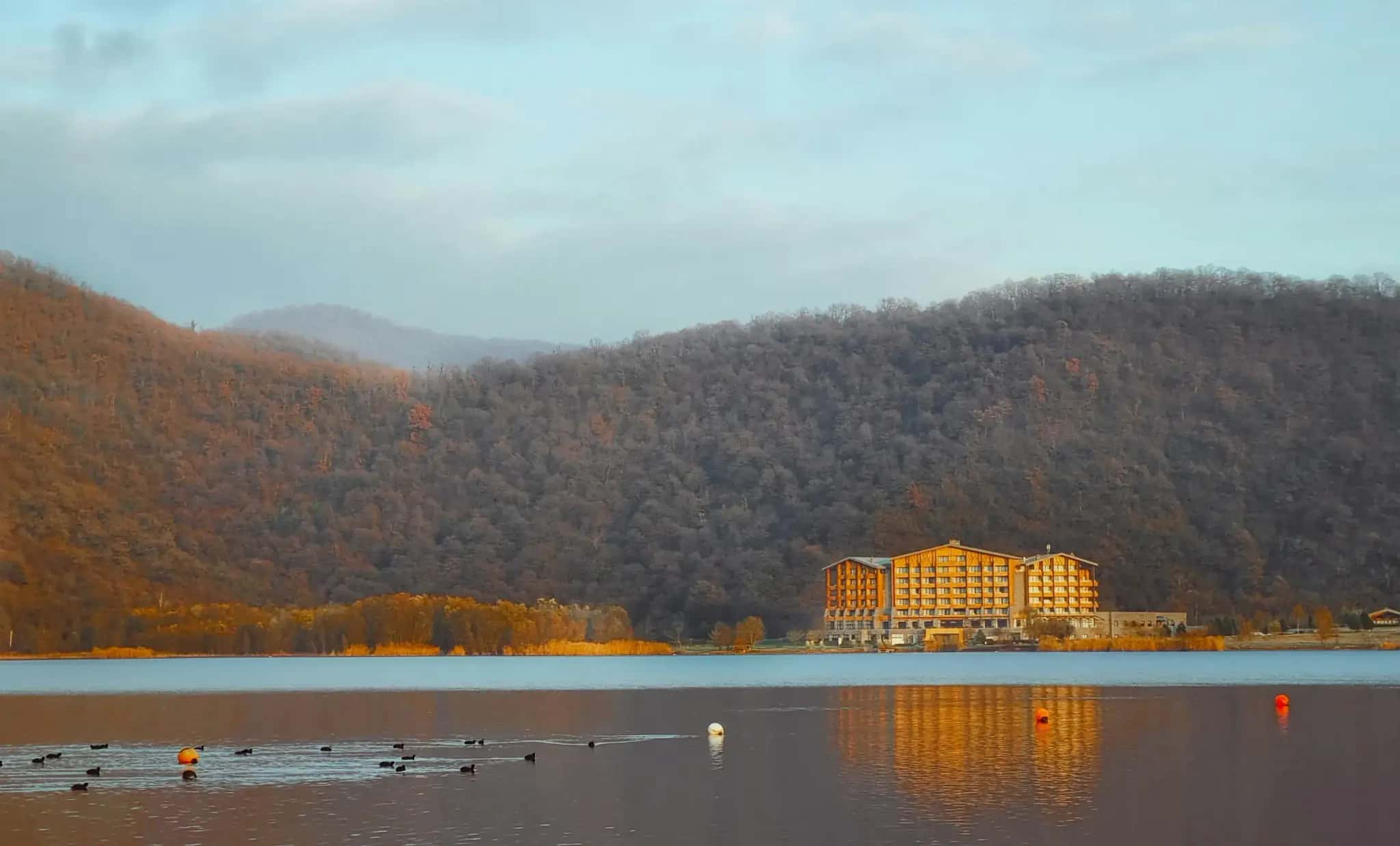
Around Gabala you will find mountain lakes, waterfalls, and small villages that combine neatly into day trips. For nature lovers, this region is often the highlight of the whole trip. Trails range from easy valley walks to longer routes with real elevation, so it suits both a relaxed family and a group that wants to earn its views. Nearby, the town of Gabala itself makes a comfortable base, with the surrounding forests and the lake at Nohur within easy reach.
Bring proper footwear and layers even in summer, mountain weather shifts fast, and mornings can be cool at altitude. A light rain shell, sun protection, and a refillable water bottle cover most days out. For a broader look at what the region offers beyond the trails, see our Gabala history and nature guide.
History and culture: Baku and Sheki
The capital, Baku, blends UNESCO World Heritage with bold modern architecture. The Old City (İçərişəhər) holds the Maiden Tower and the Palace of the Shirvanshahs, just minutes from the iconic Flame Towers. This contrast between old and new makes Baku an ideal start to the trip. Most travelers find three to four days is enough to cover the city and one day trip. If you are weighing it up, our why visit Baku guide walks through what the city does best.
Baku is also an easy base for excursions. Gobustan, with its ancient rock carvings and bubbling mud volcanoes, sits about an hour south. See our Gobustan petroglyphs guide. On the Absheron Peninsula, the Ateshgah fire temple and Yanar Dag burning hillside give the country its "Land of Fire" name.
Sheki, in the northwest, completes the picture: the magnificent Palace of the Sheki Khans, the historic caravanserai, and the famous Sheki halva all speak to the Silk Road era. If you want history and authentic craftsmanship, this is the place. The Palace of the Sheki Khans is known for its intricate stained-glass windows (şəbəkə) assembled without nails or glue, one of the most striking pieces of workmanship in the country. Sheki is also the home of piti, a slow-cooked lamb and chickpea soup worth ordering where it is made best; our guide to what to eat in Azerbaijan covers it and the rest of the table.
Practical logistics
Getting there and flights: Baku is reachable from several European hubs, often with one connection. Book early, especially in high season, and compare routings, a single connection through a Gulf or Turkish hub is common. The city's Heydar Aliyev International Airport sits a short drive northeast of the centre.
Visa: Many travelers use Azerbaijan's e-visa system. Our Azerbaijan e-visa guide explains how the online application typically works and who needs one.
Getting around: Within Baku, the metro, taxis, and ride services are convenient. For trips to Gabala, Sheki, or beyond, a private transfer or organized tour is far more comfortable than public transport, especially when time is limited. Roads between the regions are generally good, but distances are longer than they look on a map, so it is worth planning a full day for each transfer.
Budget: Azerbaijan is affordable compared with many European destinations. Accommodation, food, and transport offer strong value, so even a comfortable trip is easy to arrange without breaking the bank. The local currency is the manat; cards are widely accepted in Baku, while it helps to carry some cash for smaller towns and markets.
Language and staying connected: Azerbaijani is the official language, and Russian is widely understood; English is common in Baku's tourism trade, less so in rural areas, so a translation app is handy. A local SIM or eSIM keeps you online cheaply for maps and messaging.
How long to stay and a sample route
A week gives you a satisfying first trip; ten days to two weeks lets you slow down and add a region. One natural shape looks like this:
- Days 1–3: Baku, the Old City, the Caspian seafront, and a day trip to Gobustan or Absheron.
- Days 4–5: Sheki, the Khan's Palace, the caravanserai, and the crafts and food of the northwest.
- Days 6–7: Gabala, hiking, lakes, and mountain air to finish.
For a fuller version with timings and connections, follow our 7-day Azerbaijan itinerary, and for quick inspiration see 7 things to know about Azerbaijan before you go.
Best time to visit
Spring (April to June) and autumn (September to October) are ideal: pleasant temperatures in Baku and good hiking weather in the mountains. Summer is comfortable in Gabala, while Baku can get hot. Winter suits skiing in Gabala and quiet city days.
If your main goal is hiking, aim for late spring or early autumn, when trails are dry and daytime temperatures are comfortable. Wildflower season in the mountains is a quiet highlight of late spring, and autumn brings clear air and colour to the Caucasus slopes.
FAQ
Do German citizens need a visa for Azerbaijan?
Most travelers use the e-visa.
When is the best time to visit Azerbaijan?
Spring and autumn offer the best weather for both city and mountains. Summer suits cooler mountain regions like Gabala, and winter is good for skiing.
Is Azerbaijan good for nature lovers?
Yes. The Gabala region in the Greater Caucasus offers hiking, mountain lakes, and waterfalls, a quiet and striking alternative to crowded destinations.
What is the best way to travel from Baku to other regions?
For trips to Gabala or Sheki, a private transfer or organized tour is the most comfortable and time-efficient option.
Is Azerbaijan an expensive destination?
No. Compared with many European destinations, accommodation, food, and transport are affordable, making a comfortable trip possible on a fair budget.
How many days do I need for a first trip?
A week covers Baku, Sheki, and Gabala at a relaxed pace with a day trip or two. Ten days to two weeks lets you add another region or simply slow down.
Is Azerbaijan a good destination for families?
Yes. The mix of easy mountain walks, cable-car rides in Gabala, and a compact, walkable capital works well across ages, and the warm hospitality makes families feel welcome.
What should I pack for the mountains?
Layers, a light rain shell, sturdy walking shoes, sun protection, and a refillable water bottle cover most days. Mountain weather changes quickly even in summer, so a warm layer is worth carrying.
Azerbaijan combines mountain nature, living history, and warm hospitality, and with the right planning it is effortless to experience. Tell Pink Travel your dates and interests, and we will design a tailored route through Azerbaijan, from Baku to Sheki to the mountains of Gabala.