
·8 min read
Lahij: the coppersmiths' village of the Caucasus
A guide to Lahij, the mountain craft village of Azerbaijan. Its cobbled streets, centuries-old coppersmithing, and this Silk Road settlement.
High in the mountains, along a road that clings to a river gorge, sits Lahij, a stone village where the ring of hammer on copper has echoed for centuries. Lahij is one of Azerbaijan's most atmospheric places: a living craft settlement where a traditional trade still defines daily life. For travelers who want authenticity over spectacle, it is unforgettable, and it slots naturally into a wider northern route through the Greater Caucasus.
A village built for craft
Lahij is an old mountain settlement famous above all for coppersmithing. Its workshops have produced hammered copper vessels (plates, jugs, pots, trays, and water containers) for generations, decorated with patterns passed down through families. The craft is so central that Lahij is essentially defined by it, and the coppersmithing tradition of Azerbaijan is recognized as intangible cultural heritage.
What makes the trade distinctive here is that it was never a single job. Historically the village supported a chain of related workshops (copper beaters, engravers, and the smiths who made the tools) so that a finished vessel might pass through several sets of hands. That specialisation is part of why Lahij became known well beyond its own valley, with its wares carried out along old trade routes.
Walking the village
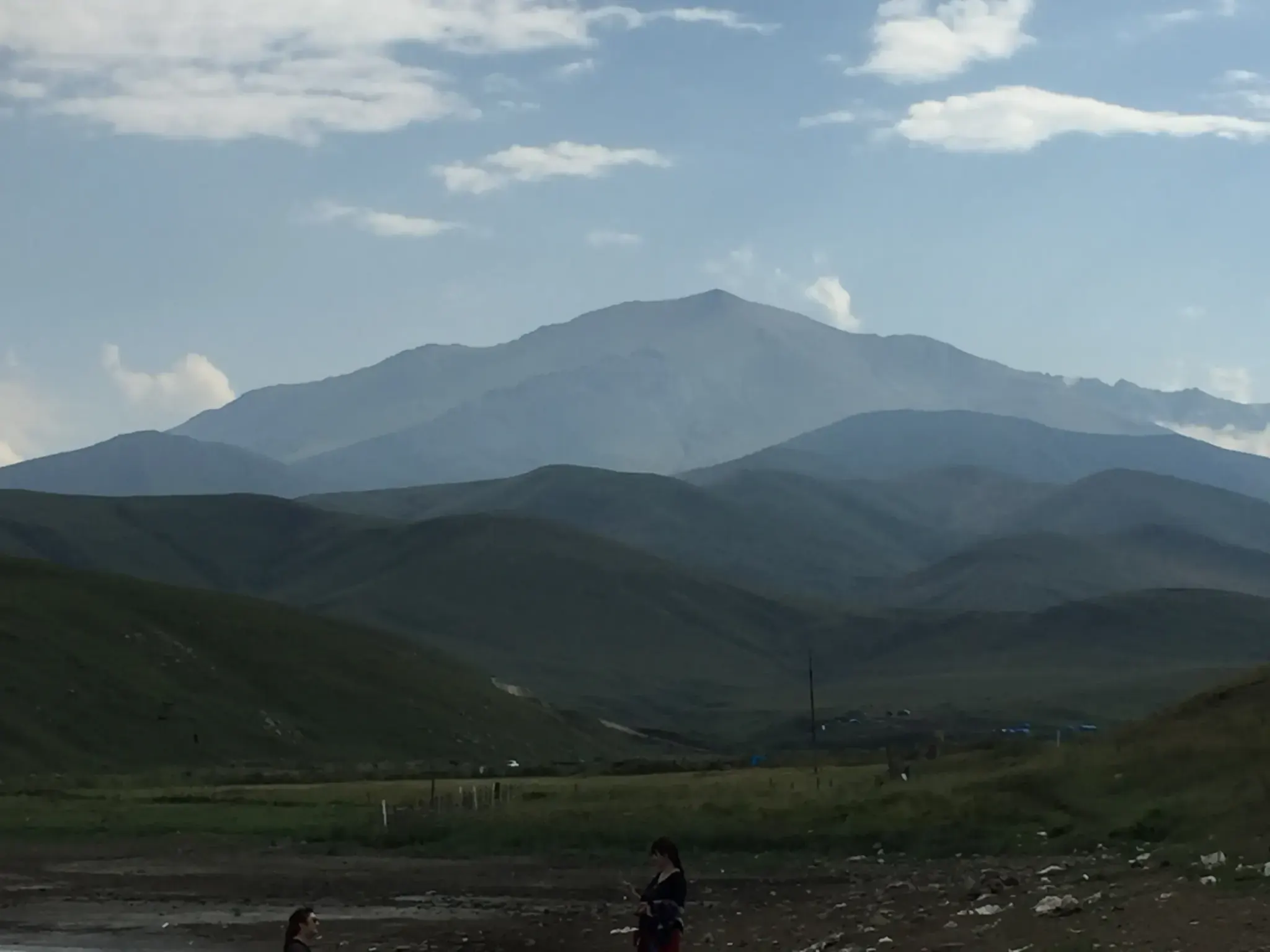
Lahij's cobbled main street, stone houses, and old drainage system reflect careful, historic town planning unusual for a mountain village. Wandering it, you pass workshops where craftsmen still work metal by hand, small shops of copperware, and the everyday rhythm of a place that has kept its character. The setting, a green gorge in the Greater Caucasus, is a reward in itself.
The village is small and made for walking. The main street, paved with river stones, runs the length of the settlement and is lined with the workshops and shops that give Lahij its soundtrack: the steady tap of hammers. Beyond copper, you'll find leatherwork, carpets, and other traditional crafts, along with simple tea houses where you can pause and take in the pace. Look, too, for the old fountains and the network of stone-lined channels that once carried water and waste through the village, an early piece of civic engineering.
A stop on the Silk Road
Lahij's reputation is bound up with trade. Its position in the mountains put it on routes that connected the Caucasus to the wider medieval world, and its craftsmen sold far beyond the immediate region. That long exposure to trade helped the village develop its own strong identity. It is exactly the kind of place that rewards travelers looking past the capital; our guide to why travel Azerbaijan makes the broader case for exploring the regions.
Why it endures
Lahij survived as a craft centre partly because of its isolation and partly because the tradition became part of local identity. Today that same combination makes it a destination: a genuine, working heritage village rather than a reconstruction. It sits naturally alongside other craft-and-heritage stops like the Sheki Khan's Palace and the town's covered bazaar, where the region's craft traditions are still very much alive.
How to visit
Lahij is reached by a mountain road and works well as part of a northern Azerbaijan route. It sits in the Ismayilli district, on the southern flank of the Greater Caucasus, and the final stretch is a narrow road that follows a river gorge, scenic, but slow, so it's best not to rush it.
Getting there. Most travelers come from Baku, breaking the drive or pairing Lahij with other stops on the way north. Because the last part of the approach is a winding mountain road, many visitors prefer to arrive with a driver rather than self-drive, and to allow generous time in each direction. It combines well with Sheki and Gabala, which lie along the same broad northern corridor.
How long to spend. A few unhurried hours are enough to walk the main street, watch craftsmen at work, and browse the workshops, but Lahij rewards slowing down, and a night nearby lets you see the village once the day-trippers have gone.
Best season. Late spring through early autumn is the most comfortable window, with green slopes and mild mountain air; the higher elevation means it stays cooler than Baku. Winter access can be affected by mountain-road conditions, so check ahead if you're travelling in the cold months.
What to bring. Comfortable shoes for the cobbles, layers for the mountain climate, and some cash for the smaller workshops and tea houses. If you buy copperware, ask the maker about the piece. Many are happy to explain the patterns and the process.
For where a stop like this fits across a longer trip, see our 7-day Azerbaijan itinerary, or browse the full picture of the country on our Azerbaijan overview.
What to buy, and how to buy well
The obvious souvenir is copper: a small engraved bowl, a jug, or a decorative plate carries the village's craft home in a form that lasts. Prices vary with size, weight, and the amount of hand engraving, so take a moment to compare a few workshops before deciding. Buying directly from the maker, rather than a reseller, is both the more rewarding experience and the surest way to know what you're getting. Beyond copper, you'll also find textiles, carpets, and other handmade goods along the main street.
Which official signals support this
- Azerbaijani coppersmithing traditions are recognized as part of the country's living cultural heritage
FAQ
What is Lahij known for?
Lahij is a historic mountain village famous for its centuries-old coppersmithing tradition, along with its cobbled streets, stone houses, and Silk Road heritage.
Is the coppersmithing still practised?
Yes, workshops in Lahij still produce hammered copperware by hand, and the craft remains central to the village's identity and economy.
What is the village like to visit?
Atmospheric and authentic: a cobbled main street, working workshops, copperware shops, and a dramatic green gorge setting in the Greater Caucasus.
How do I get there?
Lahij sits in the Ismayilli district and is reached by a mountain road, typically as a trip from Baku or as part of a northern route. Because the final approach is a narrow, winding road along a river gorge, many travelers prefer to come with a driver. Message us and we'll build it into a route.
How long should I spend in Lahij?
A few hours cover the main street, the workshops, and a tea-house pause. Staying overnight nearby lets you experience the village more quietly, after the day visitors have left.
What is the best time of year to visit?
Late spring through early autumn is generally the most pleasant, with mild mountain weather and green surroundings. In winter, check road conditions before setting out, as mountain access can be affected.
Can I combine Lahij with Sheki or Gabala?
Yes. Lahij lies along the broad northern corridor that also links Sheki and Gabala, so it fits naturally into a multi-day trip out of Baku rather than a single rushed day.
Want to hear the coppersmiths of Lahij at work? Message Pink Travel on WhatsApp with your dates. Explore our tours or reach out via our contact page.