
·10 min read
Is Karabakh safe to visit? An honest 2026 answer
Is Karabakh safe for tourists in 2026? A straight, practical answer, what to expect, how access is arranged, and the official sources to check first.
"Is Karabakh safe to visit?" is the single most common question we hear from foreign travelers, and it deserves an honest answer rather than a marketing one. The short version: for organized cultural travel along the official framework, Karabakh has become a far more practical destination than it was a few years ago. But "safe" and "open without preparation" are not the same thing, so let's walk through what that actually means in 2026.
Start with the official picture, not rumors
The most important safety habit for Karabakh is simple: rely only on current official Azerbaijani sources. This is not a region where old blog posts, social media screenshots, or second-hand stories should drive your decisions. Conditions and access procedures evolve, and only the official channels reflect the present state.
For our own plain-language summary of how visits are structured, see the Karabakh access rules guide.
What "safe to visit" really means here
Karabakh travel today is structured travel. Visits happen along defined routes and through an organized framework rather than as spontaneous, drive-anywhere road trips. That structure is itself a safety feature: when you travel the recognized way, the logistics, timing, and routing are handled within a known system.
What this means in practice:
- Cultural destinations such as Shusha are the focus of organized visits.
- The route, pacing, and entry rhythm follow the official framework.
- Off-route improvisation is not the way this region is visited.
Travelers who approach Karabakh as an organized program, the way you would approach any sensitive or newly reopened heritage area, generally find the experience calm, well-managed, and deeply rewarding.
Where you're actually going: a little geography
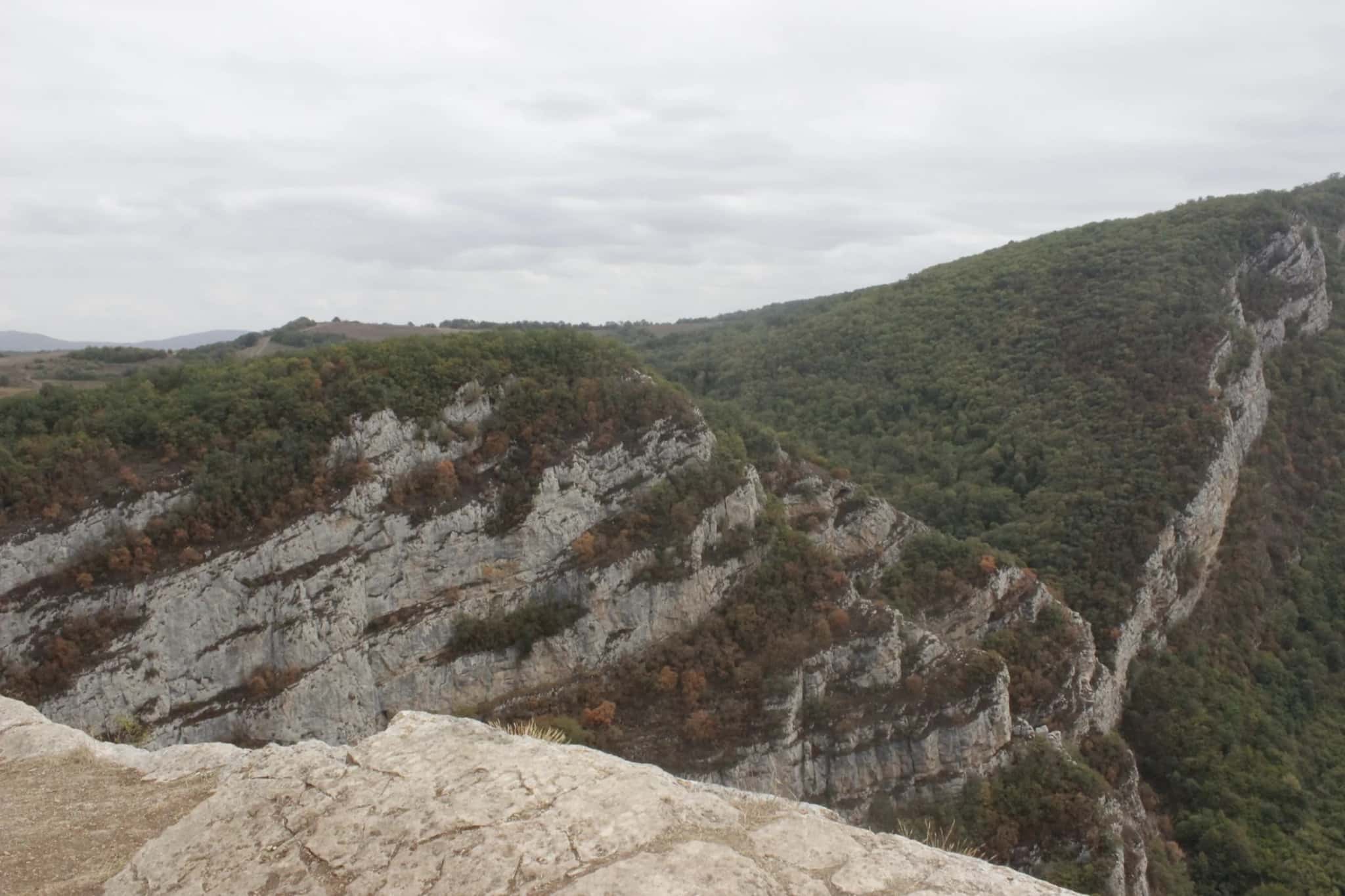
Karabakh sits in the mountainous interior of the South Caucasus, a landscape of forested ridges, river valleys, and high pastures rather than coastline or desert. The elevation is part of the appeal: summers here are generally cooler and greener than in low-lying Baku. Dense woodland like the Dashalti forest below Shusha is part of that mountain setting.
Shusha itself is a fortress town on a natural rock plateau, ringed by cliffs and reached by a winding mountain approach. That defensible setting is one reason it grew into an important cultural center. For the deeper story of the walls and gates, our Shusha fortress history guide is a good companion read.
Why Shusha matters: culture and history
Shusha is not just a scenic stop; it is one of the most storied cultural centers in the Caucasus. For generations it was a byword for Azerbaijani music, poetry, and craft, a town that produced many notable singers, composers, and poets. It is closely tied to mugham, a classical Azerbaijani vocal tradition recognized by UNESCO as intangible cultural heritage, and to the poets and khans who shaped the region's identity.
That heritage is written into the town's landmarks and its surroundings:
- Music and poetry. Shusha's reputation as a "conservatory of the Caucasus" runs deep. Our Shusha music heritage piece traces why so many great performers came from these streets.
- Sacred and civic architecture. Mosques, mausoleums, and old mansions reflect centuries of layered history. See our overview of Karabakh's sacred architecture.
- The wider landscape. Beyond the town, meadows like Jidir Duzu carry enormous symbolic weight in local culture; read about Jidir Duzu and Topkhana.
- Craft traditions. The region is historically famous for its carpets, a living art form covered in our Karabakh carpet heritage guide.
Understanding this before you go changes the visit. You arrive reading the town as a cultural landmark rather than just a viewpoint, and that context is a big part of why people find the trip so moving. For the bigger picture of why the region resonates right now, see why Karabakh matters now.
What to expect on the ground
Expect a long, scenic journey rather than a quick hop, and expect the trip to feel curated. Shusha rewards an unhurried visit: its views, atmosphere, and cultural weight open up when you give it time. The mood on the ground is reflective and historical rather than resort-like, and that is part of why the region resonates with so many visitors.
You should also expect reconstruction. Karabakh is a region in active renewal, so some areas are works in progress. That is part of the story, not a problem to avoid.
When to go and how long to stay
Because Karabakh sits at altitude, the seasons matter more here than for a city break. Late spring through early autumn is generally the most comfortable window for the mountains, with green landscapes and mild days; winter in the highlands is cold and can affect mountain travel. We keep a fuller, up-to-date view in our best time to visit Karabakh guide.
On duration, treat Karabakh as a trip that wants breathing room rather than a same-day dash. Building in at least a couple of unhurried days lets you match the slow, reflective pace the region rewards. Our 3-day Karabakh itinerary shows one realistic way to structure it.
Practical safety tips
- Confirm the current access framework and procedures on official sources before you fix dates.
- Travel as part of an organized program; do not attempt to improvise routes.
- Follow all on-site guidance and signage without exception, and stay on designated paths.
- Bring ID and any documents your organized trip requires, and keep them accessible.
- Pack for a long travel day: water, comfortable shoes, sun protection, and a charged phone.
- Add a light layer even in summer, mountain evenings can be cool, and the weather at altitude shifts faster than in the lowlands.
- Build the itinerary around a realistic pace rather than trying to maximize stops.
How Pink Travel fits in
We don't replace the official framework. We help you move through it cleanly. That means shaping the route, choosing the right stops, and handling the logistics so your visit is smooth and well-paced. If you'd like to see how a real trip comes together, look at our Karabakh tours and the broader Karabakh region overview. If you travel on a foreign passport, our Karabakh permit page for foreign travellers covers what that means when you plan.
FAQ
Is it safe for foreign tourists specifically?
Organized cultural travel to Karabakh has expanded for foreign citizens, and visiting along the official framework is the recognized, structured way to go. Always confirm the current rules on official sources before planning.
Can I just drive there on my own?
Karabakh is visited through an organized framework rather than as a spontaneous self-drive. Booking an organized program is both the practical and the responsible approach.
Is Shusha the main place people visit?
Yes. Shusha is the cultural heart of most Karabakh visits, and it's strongest when it isn't rushed. Our 3-day Karabakh itinerary is built around it.
Where do I check the current rules?
Use the official sources only. For the planning side, see our Karabakh access rules guide.
How far in advance should I plan?
Earlier is better, because organized travel needs lead time for routing and logistics. Reach out as soon as you have rough dates and group size.
What's the best time of year to go?
Because the region sits in the mountains, the warmer months from late spring to early autumn are generally the most comfortable for travel and sightseeing, while winters at altitude are cold. See our best time to visit Karabakh guide for a current, seasonal view.
What should I pack for the trip?
Plan for a long travel day and variable mountain weather: comfortable walking shoes, water, sun protection, a charged phone, an extra layer for cooler evenings, and any documents your organized trip requires kept easily accessible.
Is it worth visiting even during reconstruction?
For many travelers, yes. The renewal is part of what makes the visit meaningful right now, and the cultural and historical weight of a place like Shusha comes through regardless. Our why Karabakh matters now piece explains why this moment resonates.
Ready to plan a Karabakh trip that's well-organized and worry-free? Message Pink Travel on WhatsApp with your dates and group size, and we'll shape a realistic, well-paced program around the official framework.
Plan Your Karabakh Trip
The main Karabakh planning pages in one place
The hub, tours page, Shusha page, and key guides are grouped together so readers can build context before making a travel decision.
For a long time, Karabakh was mostly known from a distance. Now Shusha, changing access rules, and rebuilding tourism infrastructure are turning it into a destination people can plan with more intention.
Shusha-led routes of one to three days, your entry permit filed for you, and a firm per-person price before you commit to anything.
Why the official Karabakh permit portal won't work for you