
·8 min read
Zangilan and the Basitchay plane groves, southern Karabakh
A guide to Zangilan in southern Karabakh, the rare Basitchay plane forest, the 'smart village' rebuilding, and why this corner is worth it.
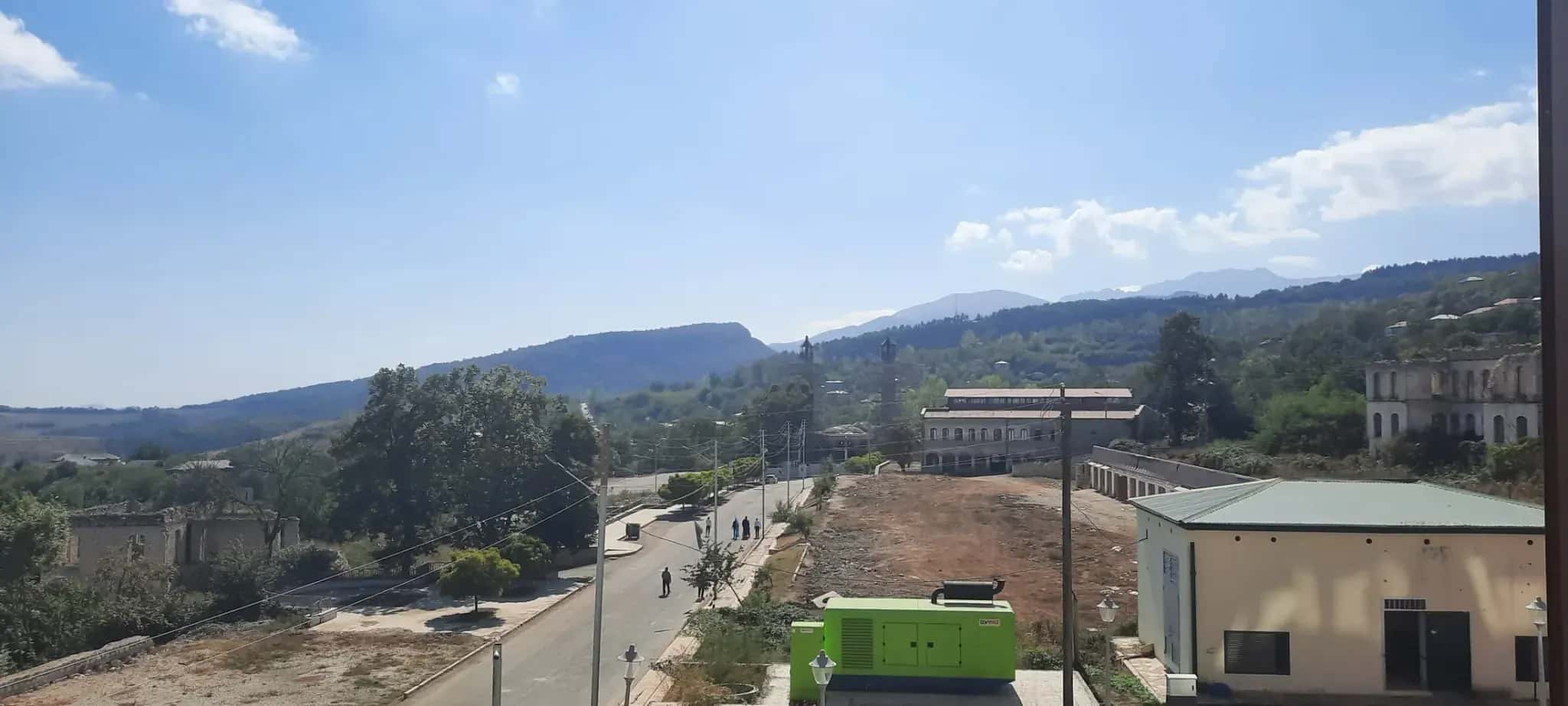
The south of Karabakh has a different character from the cultural highlands around Shusha. Zangilan, in the country's far south, is green, riverine and quietly remarkable, home to a rare ancient forest and to some of the most talked-about rebuilding in the region. It is a corner that rewards travelers who want nature and recovery in the same trip, and it is exactly the kind of place we love pairing with the more famous stops when we plan a route.
If Shusha and its music are the cultural heart of Karabakh, Zangilan is its quiet green lung. Come here for river valleys, old planes and open sky rather than fortresses and museums, and for the sense of a landscape actively coming back to life.
Where Zangilan sits
Zangilan lies in the far south of Karabakh, in the area now grouped under the East Zangazur economic region. It sits low and green along river valleys, closer in feel to the warm, watery south of the country than to the alpine north. The Araz (Aras) river runs along the southern edge of this territory, and the surrounding land is a mix of riverbanks, low hills and cultivated valley floor. That lower, milder setting is a big part of why the nature here looks so different from the pine-and-peak country further up in Kalbajar.
Water, a mild climate and fertile valley soil have shaped both the landscape and, historically, the way people farmed and lived here.
The Basitchay plane groves
Zangilan's natural jewel is the Basitchay valley, protected for its groves of Oriental plane trees (chinar). Some of these trees are exceptionally old and large, forming one of the rare surviving stands of their kind. Walking beneath centuries-old planes along a river is a completely different Karabakh experience from touring monuments. It is about scale, age and quiet.
The Oriental plane (Platanus orientalis) is a broad, long-lived tree with dappled, peeling bark and wide crowns that throw deep shade, the same species that shades old squares and courtyards across the wider region. In the Basitchay valley they grow in a dense riverside grove rather than as scattered individuals, which is what makes the place special: continuous old forest of a species that usually survives only as isolated specimens. The chinar is woven into local culture too, long valued for its shade, its size and its sheer longevity.
For a traveler, the appeal is simple. This is a place to walk slowly, listen to the river, and feel how old the living things around you are. It rewards an unhurried morning far more than a quick photo stop.
A "smart village" rebuilt
Zangilan has also become known for a model of reconstruction: villages rebuilt with modern, sustainable planning, often described as "smart villages", intended to bring residents back with contemporary infrastructure. For a traveler, this makes Zangilan a place to see not only what was lost but what a rebuilt Karabakh is meant to look like going forward.
The "smart village" idea bundles together things travelers can actually notice: newly laid roads, modern housing, and services designed around clean energy and efficient use of water and land. Seeing it in person adds a layer that pure nature or pure history cannot, a sense of a region being deliberately rebuilt for the people who are meant to return to it. It is the same forward-looking story we describe in why Karabakh matters as a destination now, made concrete on the ground.
Access from the south
The area is served by Zangilan International Airport, opening up the East Zangazur direction that was long among the hardest to reach. That access is what makes a southern nature route realistic, as covered in our guide to the new Karabakh airports.
That air access matters because Zangilan sits far from Baku by road, in a direction that historically took a long time to reach overland. An airport in the south reframes what is practical: a nature-focused southern loop becomes something you can realistically build into a wider Azerbaijan trip rather than a distant, all-day drive each way.
When to go
For a valley like Basitchay, the seasons make a real difference to what you see. Spring and early summer bring the greenest foliage, fuller rivers and the most comfortable walking weather. Autumn turns the planes gold and is beautiful in a quieter way. Deep summer in the south can be hot, and winter strips the trees bare, so the shoulder seasons are generally the sweet spot for a nature-led visit. We go into the wider question of timing in our guide to the best time to visit Karabakh.
Whatever the season, this is outdoor, on-foot country. Pack for walking near water, sturdy shoes, sun protection, layers you can add or shed, and your own supplies, since services in a recovering region are still limited. Treat it like a day in nature rather than a town visit.
How to include it on a trip
Zangilan pairs well with the alpine country of Kalbajar for a nature-focused Karabakh route, set against the cultural weight explained in why Karabakh matters as a destination now.
Because it is a landscape rather than a checklist of monuments, Zangilan works best when you give it room to breathe. Rather than racing through, treat the Basitchay groves as the centerpiece of a slower southern day. From there you can balance the trip with the mountain scenery of Kalbajar or with the cultural highlands further north around Shusha, building a route that moves between nature and heritage. If you are shaping a longer Karabakh plan, browsing our Karabakh tours is a good starting point, and our broader Karabakh region overview sets the wider context.
Which official signals support this
- the presidential program document treats regional development and modern resettlement as priorities
FAQ
What is Basitchay?
Basitchay is a protected valley near Zangilan known for its groves of ancient Oriental plane trees, one of the rare surviving stands of its kind. It is southern Karabakh's natural highlight.
What is a "smart village"?
It refers to villages in the Zangilan area rebuilt with modern, sustainable planning and infrastructure, designed to bring residents back. It has become a model image of Karabakh's reconstruction.
How do I reach Zangilan?
Zangilan International Airport serves the East Zangazur direction, making this southern corner far more accessible than before.
What is the Basitchay forest known for?
Its groves of Oriental plane trees (chinar), some of them very old and large. What makes it notable is the continuous stand of a species that usually survives only as scattered individual trees, protected together in one river valley.
Is Zangilan more about nature or history?
Nature first. Unlike the monument-heavy highlands around Shusha, Zangilan's draw is its landscape (the Basitchay groves, river valleys and green scenery) alongside the visible story of reconstruction. It pairs naturally with the mountains of Kalbajar for a nature-led route.
What should I bring for a visit?
Treat it as a day outdoors: good walking shoes, sun protection, layers for changeable weather, water and snacks. Services in a recovering region are still limited, so it helps to come prepared rather than expecting shops and cafés along the way.
When is the best time to visit for the scenery?
Spring and early summer are greenest, with fuller rivers and comfortable walking weather, while autumn brings golden foliage. Deep summer can be hot in the south and winter leaves the trees bare, so the shoulder seasons are usually best.
Can I visit now?
Access to Karabakh runs through an official framework.
Want a nature-led route through southern Karabakh? Message Pink Travel on WhatsApp with your dates. Explore our Karabakh tours or reach out via our contact page.
Plan Your Karabakh Trip
The main Karabakh planning pages in one place
The hub, tours page, Shusha page, and key guides are grouped together so readers can build context before making a travel decision.
For a long time, Karabakh was mostly known from a distance. Now Shusha, changing access rules, and rebuilding tourism infrastructure are turning it into a destination people can plan with more intention.
Shusha-led routes of one to three days, your entry permit filed for you, and a firm per-person price before you commit to anything.
Why the official Karabakh permit portal won't work for you