
·8 min read
How the new Karabakh airports reopened the region to travel
The new airports at Fuzuli, Zangilan and Lachin, how they changed access to Karabakh, what each serves, and why they matter for travelers.
For years, the biggest practical barrier to visiting Karabakh was simply getting there. That has changed. A cluster of new airports (Fuzuli first, then Zangilan and Lachin) has turned a long, difficult overland journey into something far more manageable, and it is one of the clearest signs that the region is being reopened for real travel.
This guide walks through what each airport serves, why they were built where they were, and how they reshape the way a trip to Karabakh actually comes together. It is a planning primer, not a rulebook: the airports change the logistics of getting close to the region, but how travelers use them still depends on the official framework, which we point you to throughout.
Why building airports came first
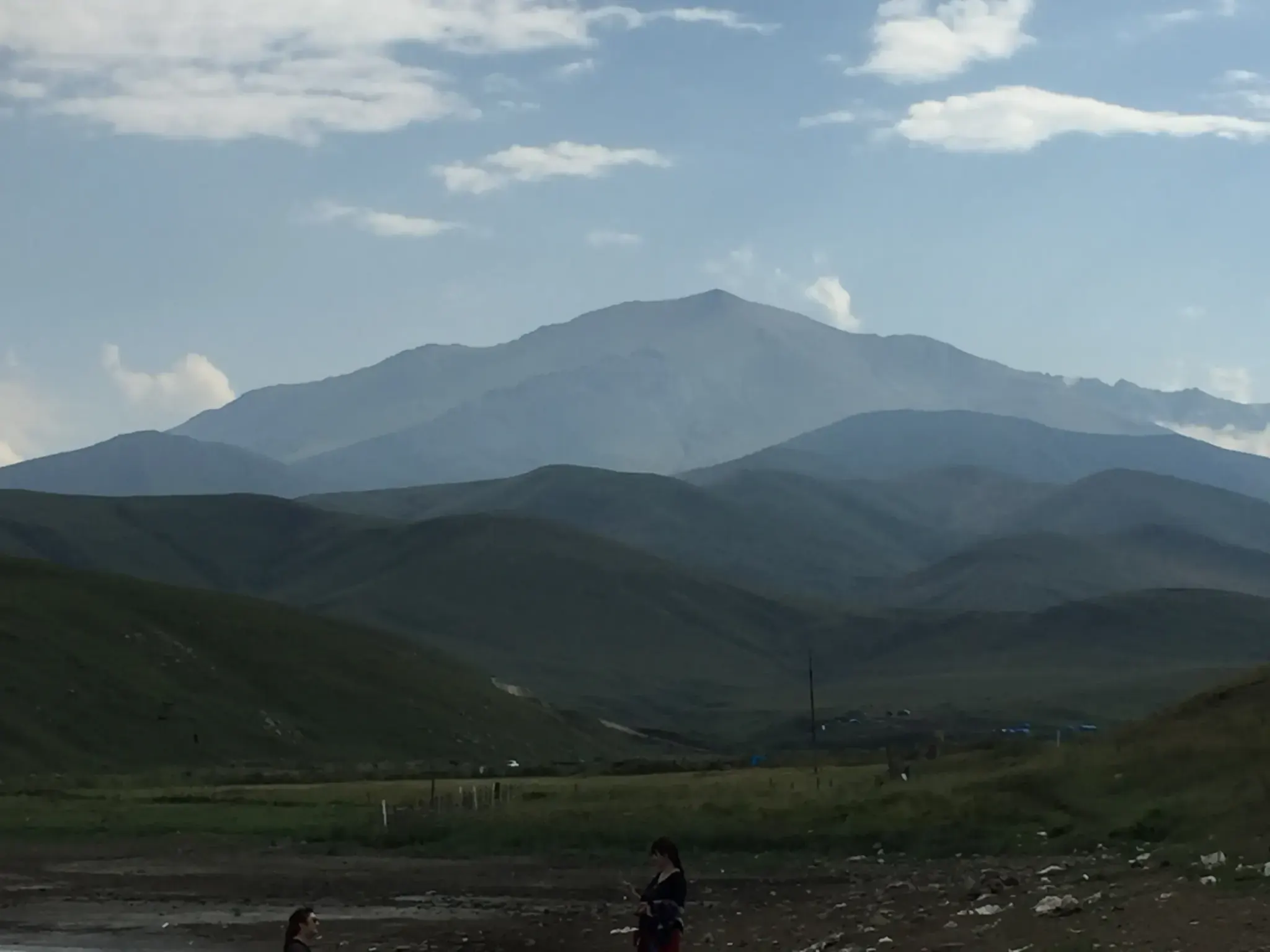
Karabakh sits inland, ringed by mountains and reached historically by winding roads that climb from the lowlands toward Shusha and the highland towns. Before the new airports, reaching the cultural heart of the region meant a long drive across the plain and up into the hills, hours on the road each way, and a full day given over to transit alone. For most travelers that turned even a short cultural visit into a serious undertaking.
Airports were an obvious way to collapse that distance. Rather than upgrade a single road, planners spread three airfields across the region, each anchoring a different approach. The result is that the region is now stitched into Azerbaijan's wider air network rather than reachable only by an all-day overland trek. It is a change you feel most in the calendar: a trip that once needed several days can now be built around a focused day or two on the ground.
Fuzuli: the gateway airport
Fuzuli International Airport was the first to be built, rising quickly on the Karabakh plain as the region's main air gateway. Its purpose is straightforward: to make Shusha, Aghdam and the wider region reachable without the full overland trek from Baku. For most travelers, Fuzuli is the name to know, because it is the closest major hub to the cultural heart of Karabakh.
Fuzuli itself is a lowland town on the approach to the highlands, which is part of why it made sense as the first gateway: it sits where the plain meets the road up toward Shusha. From here the classic cultural route runs on toward the fortress town of Shusha, long regarded as the spiritual and artistic capital of Karabakh, and toward Aghdam, a city being rebuilt after decades in ruins. If you are planning around Shusha specifically, our guide to how to plan a Shusha trip picks up where this one leaves off, and the history of the Shusha fortress fills in why the town matters.
Zangilan and Lachin
Two more airports followed. Zangilan International Airport serves the East Zangazur direction in the south, opening up an area long known for its nature, including the Basitchay plane groves. Lachin Airport anchors the mountainous western gateway. Together the three airports spread access across the region rather than funneling everyone through a single point.
Each covers a genuinely different landscape. The Zangilan and Basitchay direction reaches into the green, river-cut south, where the Basitchay reserve protects one of the country's rare stands of Oriental plane (chinar) trees, some of them very old and unusually large. Lachin, the mountain gateway sits higher and cooler, in the folded western ranges that separate Karabakh from the country's far west. For a traveler, the practical upshot is choice: the closest airport to what you actually want to see may not always be Fuzuli.
What each airport is closest to
A quick orientation, in general terms, always confirm the current route and access point when you plan:
- Fuzuli, the central gateway, closest to the Shusha and Aghdam cultural core; the default for a first visit.
- Zangilan, the southern gateway toward East Zangazur and the Basitchay nature area.
- Lachin, the western mountain gateway, the highest and most scenic approach.
Why the airports matter for travelers
The airports do three things at once:
- they cut travel time dramatically compared with road-only access
- they signal that the region is being developed as a genuine travel destination
- they make short, focused trips realistic, a cultural visit to Shusha no longer has to be an expedition
That said, access still runs through an official framework, and how travelers actually use these airports depends on current rules.
There is a bigger story underneath the runways, too. The airports were built alongside roads, power, and the reconstruction of whole towns, so they are less a standalone convenience than the visible tip of a wider effort to bring the region back to life, which is a large part of why Karabakh matters as a destination now.
How to plan around them
Start with the Karabakh access guide to understand the framework, then read why Karabakh matters as a destination now for context and Aghdam for a sense of the reconstruction the airports support.
A few general planning notes to pair with that framework:
- Timing. The highland parts of Karabakh sit at real elevation, so seasons matter more than in coastal Baku, spring and autumn are usually the most comfortable, summer is warm on the plain and mild in the mountains, and winter can be cold and snowy up high. Our guide to the best time to visit Karabakh goes into the seasonal detail.
- How long. With an air gateway doing the heavy lifting on transit, a focused visit centered on Shusha and Aghdam fits comfortably into a short trip; two or three days lets you slow down. See our three-day Karabakh itinerary for one way to shape it.
- What to pack. Think layers and sturdy footwear for uneven ground and cooler evenings at altitude, plus sun protection on the open plain.
If you would rather approach from the capital by road for part of the trip, our guide on how to get from Baku to Shusha covers the overland side.
Which official signals support this
- the presidential program document treats transport and tourism infrastructure as a development priority
FAQ
What is the main airport for Karabakh?
Fuzuli International Airport was the first built and serves as the region's principal air gateway, closest to the cultural heart around Shusha and Aghdam.
What other airports serve the region?
Zangilan International Airport serves the southern East Zangazur direction, and Lachin Airport anchors the western mountain gateway, spreading access across Karabakh.
Do the airports mean I can just fly in freely?
Access to Karabakh still runs through an official framework. The airports make travel far easier, but you should confirm current rules before planning.
How does this change trip planning?
It makes short, focused visits realistic rather than requiring a full overland expedition. Share your dates and we'll shape a route that uses the best access point.
Which airport should I aim for?
It depends on what you want to see. Fuzuli is the natural default because it is closest to the Shusha–Aghdam cultural core. Zangilan makes more sense if the southern East Zangazur direction and the Basitchay nature area are your focus, and Lachin suits a mountain-first approach from the west. We can help match the gateway to your route.
Is it better to fly or drive into the region?
Flying to a regional gateway removes the long overland transit and is what makes a short cultural trip realistic. Some travelers still enjoy part of the journey by road for the scenery; our guide on getting from Baku to Shusha covers that option. Either way, confirm the current access framework first.
What is the best time of year to plan a trip built around these airports?
The highland parts of the region are noticeably cooler than Baku, so spring and autumn are generally the most comfortable, while winter can bring cold and snow at altitude. See the best time to visit Karabakh for the seasonal breakdown.
Ready to plan a Karabakh trip now that getting there is easier? Message Pink Travel on WhatsApp. Explore our Karabakh tours or reach out via our contact page.
Plan Your Karabakh Trip
The main Karabakh planning pages in one place
The hub, tours page, Shusha page, and key guides are grouped together so readers can build context before making a travel decision.
For a long time, Karabakh was mostly known from a distance. Now Shusha, changing access rules, and rebuilding tourism infrastructure are turning it into a destination people can plan with more intention.
Shusha-led routes of one to three days, your entry permit filed for you, and a firm per-person price before you commit to anything.
Why the official Karabakh permit portal won't work for you