
·8 min read
How to plan Shusha travel: give the city its own time and purpose
A practical guide to Shusha travel: how to plan the city as the cultural heart of Karabakh, how much time to allow, and how to connect it to a wider route.
The biggest mistake in planning Shusha is treating it like a quick add-on stop. That can work on paper, but it rarely creates a strong trip. Shusha asks for its own travel logic: decide why you are going first, then build the rest of the route around that purpose.
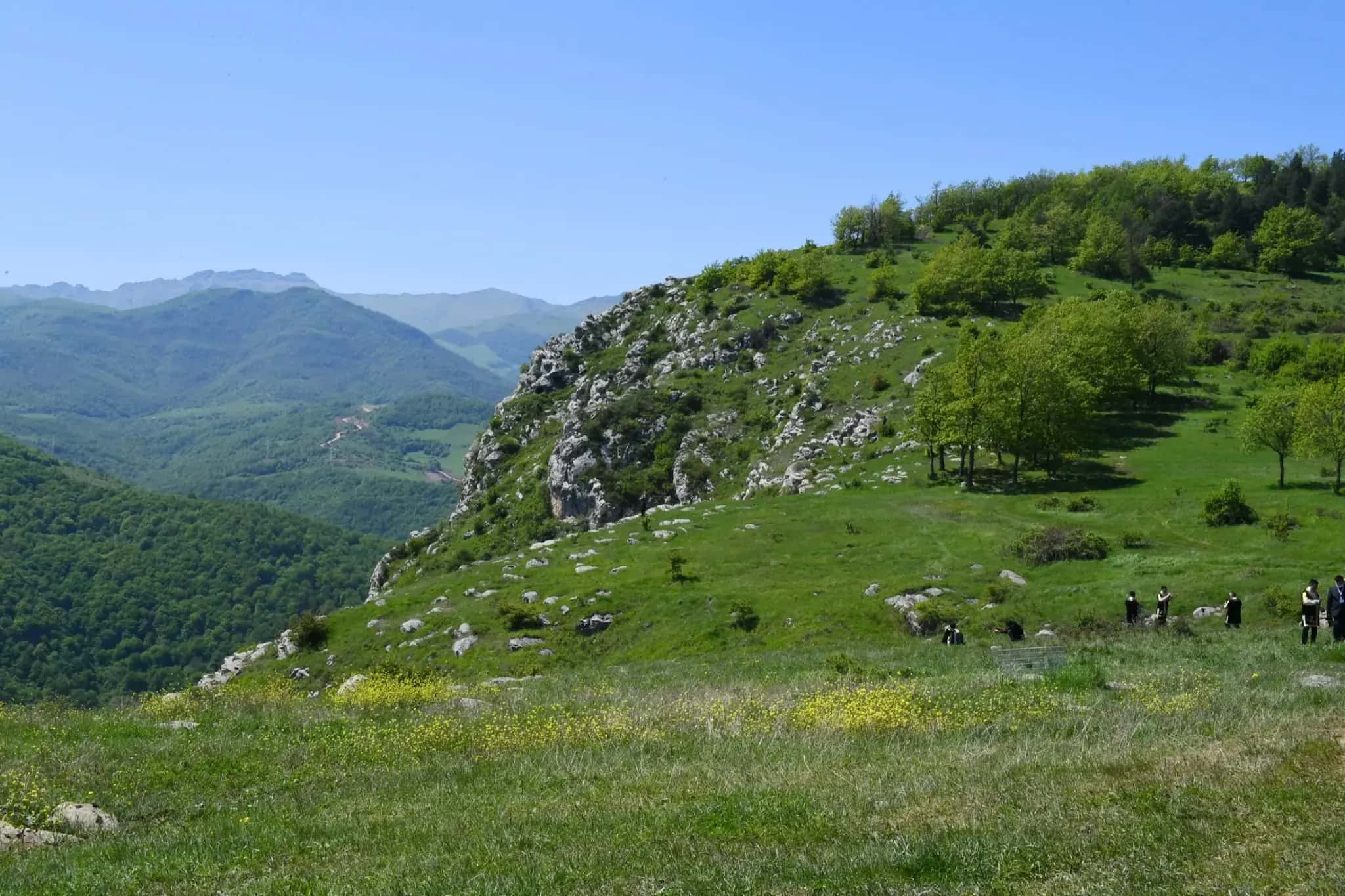
Set on a rocky plateau high in the mountains of Karabakh, ringed by cliffs and forest, Shusha is a place with a dense cultural story, the historic capital of the Karabakh khanate and, for generations, the artistic heart of the region. It rewards travelers who slow down. This guide is about how to plan it well: what to fix first, how much time to give it, what to actually see, and how it connects to a wider Karabakh route.
Start with the purpose
Ask a simple question first: is Shusha the goal of the trip, or the anchor of a wider Karabakh route?
If the goal is culture, history, architecture, and atmosphere, Shusha deserves its own full day. If the plan is a broader Karabakh overview, Shusha should still remain the key stop rather than a rushed point inside a crowded route.
Being honest about this at the start saves you from the two most common regrets: rushing the one city that most rewards time, or building a day around it without a clear reason to be there.
Check the access framework before anything else
Before you think about the route, timing, or what to pack, confirm the current access framework on official Azerbaijani sources. This is not a topic where older posts or general assumptions are good enough. For the planning side of this, our Karabakh access rules guide explains what to check and how foreign passport holders actually arrange a visit.
Getting this step right first makes every later decision (dates, group size, the shape of the route) far more realistic.
How much time is enough
For most travelers, a quick look is not enough. In a 2-3 day Karabakh program, giving Shusha its own day is usually the most balanced option.
A full day is what lets the city breathe. Shusha is compact enough to explore on foot, but its appeal is cumulative, the atmosphere, the views, and the layered history land best when you are not watching the clock. Half a day forces you to choose between the panoramas and the cultural sights; a full day lets you have both, with time to simply sit and take the place in.
If Shusha is the whole reason for the trip, you can happily give it more than a day and let a second day slow down even further.
Getting there: plan a full travel day
Shusha sits well to the west of Baku, deep in Karabakh's highlands, so plan for a long, scenic drive rather than a quick hop, a full travel day in each direction is the right expectation. The landscape shifts as you go, from the dry, open country around the capital toward greener, more elevated terrain, with the final climb into Shusha's mountain setting part of what makes arriving feel like an event.
Treating the journey as part of the experience, with an early start and a couple of planned breaks, beats rushing it. For how the trip is currently arranged, confirm the details on the official sources above. Our Baku to Shusha travel guide walks through the route and the drive time.
Best time to visit
Late spring through early autumn is generally the most comfortable window for a Shusha visit. Sitting high in the mountains, the city is noticeably cooler than lowland Azerbaijan, so summers here are milder than in Baku, and the surrounding forest and plateau are at their greenest.
Spring is also when the khari bülbül, the small flower that has become Shusha's emblem, appears around the city, one reason many travelers time their trip for the warmer half of the year. Winters are cold and snowy at this altitude, so mild-season travel is the simpler choice for a first visit. For the wider picture, see the best time to visit Karabakh.
What to bring
Nothing exotic, but a highland city calls for a little planning:
- Layers. Even in summer, mornings and evenings at altitude can be cool, and mountain weather changes quickly.
- Comfortable walking shoes. Shusha's charm is in walking its streets, walls, and viewpoints, much of it over stone and uneven ground.
- Sun protection and water. The plateau is open and exposed, and the light at altitude is strong.
- Your travel documents. Keep whatever the current access framework requires on hand, confirm specifics on the official sources above.
What to actually see
The best Shusha program usually focuses on three things:
- the city's atmosphere and rhythm
- panoramic viewpoints
- a small number of stops that deepen the cultural story
Fewer places with more meaningful time is almost always the stronger choice. A useful shortlist of what makes the city special:
- The fortress and its walls. Shusha is not a single castle but a whole fortified town, founded in the mid-18th century by Panahali Khan as the secure capital of the Karabakh khanate. Walking the surviving walls and the historic Ganja Gate is the fastest way to understand why the city sits at the heart of Karabakh's story, our Shusha Fortress history tells it in full.
- Jidir Düzü. The wide plateau at the city's edge, often translated as the "racing plain," is one of the great panoramas of the region and a place woven through Karabakh's songs and poetry. Read more in our guide to Jidir Düzü and Topkhana.
- The musical heritage. Shusha is known as the "conservatory of the Caucasus," the cradle of Azerbaijani mugham and home to a remarkable lineage of singers and composers. That story is the soul of the place, our Shusha music heritage guide unpacks it.
Give the city its atmosphere first, then let these stops deepen the visit rather than crowd it.
How to connect Shusha to the wider Karabakh route
Give the city its weight first, then add scenic and heritage stops that support it. Strong routes come from logic, not from quantity.
If the next question is about rules and practical travel setup, continue with the Karabakh access guide. If you want to see a working structure, the 3-day Karabakh itinerary is the best follow-up, and why Karabakh matters now gives the context behind the region's renewal. To see how a full visit comes together, look at our Shusha destination page and our Karabakh tours.
FAQ
How many days should I give Shusha?
For most travelers, a full day is the balanced choice. It lets the city's atmosphere, viewpoints, and cultural story land without rushing. Inside a 2-3 day Karabakh program, Shusha as its own day usually works best.
Can I visit Shusha as a quick stop?
You can, but it rarely makes a strong trip. Shusha is the cultural heart of Karabakh and rewards an unhurried visit, so most well-planned routes keep it as the central block rather than a brief add-on.
What should I check before fixing dates?
Confirm the current access framework on the official sources first. Then share your dates and group size so the route can be shaped realistically.
What is the best time of year to visit Shusha?
Late spring through early autumn is usually the most comfortable, thanks to the city's mountain elevation, which keeps summers milder than in the lowlands. Winters are cold and snowy at altitude. See our best time to visit Karabakh guide for the wider seasonal picture.
How do I get to Shusha from Baku?
Shusha is a long, scenic drive west of Baku through Karabakh's highlands, so plan for a full travel day in each direction. Our Baku to Shusha guide covers the route, timing, and how to arrange the trip.
What is Shusha most known for?
Shusha is the historic capital of the Karabakh khanate and the cultural heart of the region, famous for its fortress and walls, its panoramic plateau at Jidir Düzü, and above all its musical heritage as the "conservatory of the Caucasus" and cradle of mugham.
Planning a Shusha trip and not sure how much time to give it? Message Pink Travel on WhatsApp with your dates and group size, and we'll build a route with Shusha at its center.
Plan Your Karabakh Trip
The main Karabakh planning pages in one place
The hub, tours page, Shusha page, and key guides are grouped together so readers can build context before making a travel decision.
For a long time, Karabakh was mostly known from a distance. Now Shusha, changing access rules, and rebuilding tourism infrastructure are turning it into a destination people can plan with more intention.
Shusha-led routes of one to three days, your entry permit filed for you, and a firm per-person price before you commit to anything.
Why the official Karabakh permit portal won't work for you