
·7 min read
Karabakh in spring: why planning starts earlier
A practical spring outlook for Karabakh tours, including timing, pacing, and why interest in Shusha-led itineraries rises as the weather softens.
Spring is usually when Karabakh interest shifts from abstract curiosity to real planning. The region feels lighter, green routes start looking more attractive, and many travelers prefer to secure a calm itinerary before the busiest summer weeks begin.
For Pink Travel, the signal is straightforward: people are asking for slower, more deliberate Karabakh trips. They want strong viewpoints, cultural stops, and enough time in Shusha to understand the atmosphere rather than race through a checklist. Below is how we're reading the season, and how we'd shape a spring route if you started planning today.
Why spring reads differently in the mountains
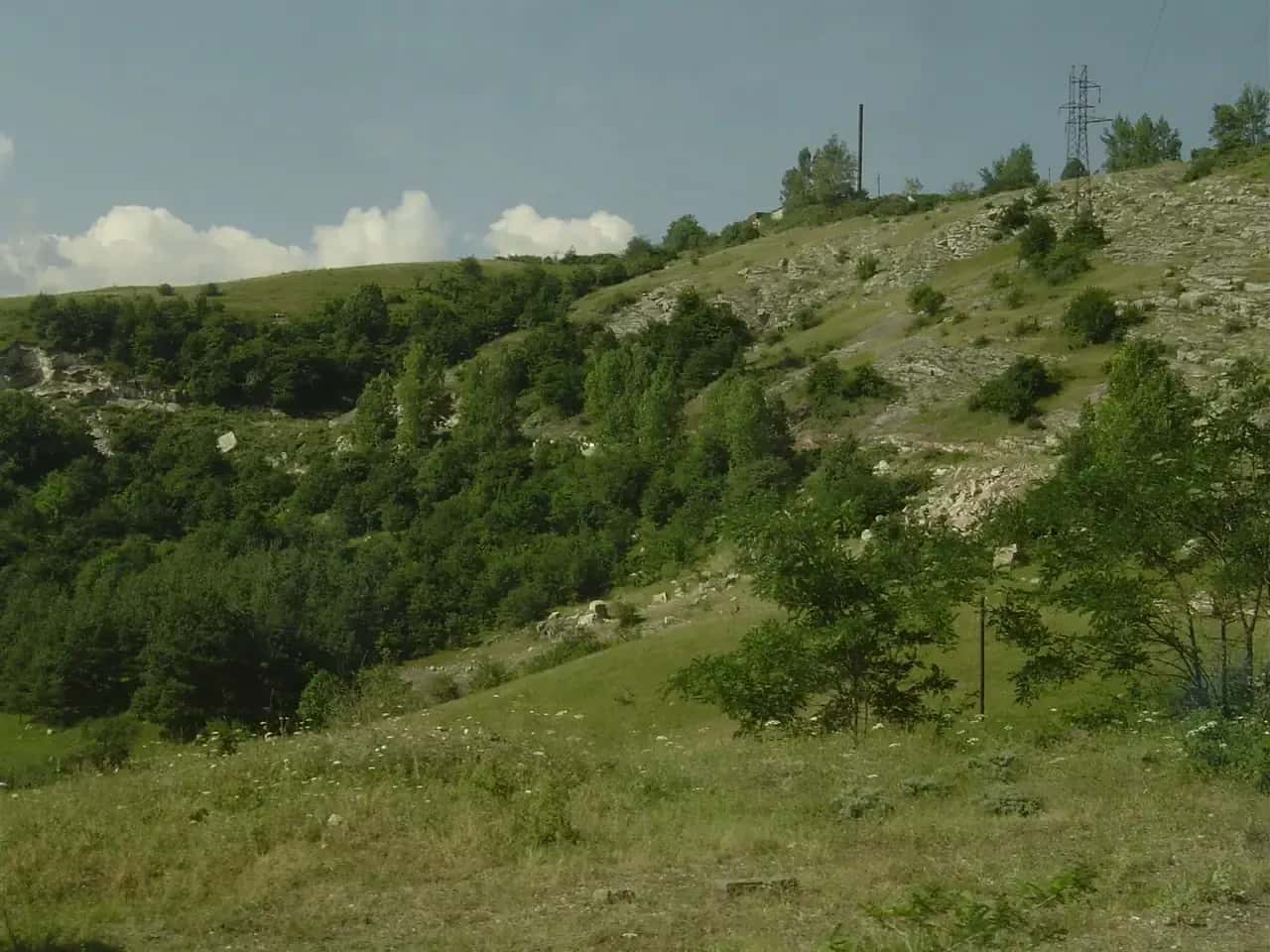
Much of the Karabakh cluster sits at altitude. Shusha stands well above the surrounding lowlands, and that elevation is the single biggest reason the season feels distinct here. While Baku is already warm, the uplands are still coming out of winter, so spring arrives later and lingers as a long, green shoulder season rather than a quick handover to summer heat.
That has a few practical effects. Hillsides and plateaus turn green and stay that way for weeks; panoramic stops that look ordinary in high summer haze are crisp and far-reaching in spring light. Cool mornings and mild afternoons make walking comfortable, which matters on a route where the best moments are often reached on foot. And because conditions in the hills lag the calendar, it pays to think in terms of how the season is actually behaving rather than a fixed date on a page.
What changes in spring planning
The most important change is pacing. A spring Karabakh route works best when it avoids overloading the schedule. Instead of trying to fit every possible stop into one day, travelers respond better to a structure that gives Shusha a central role and keeps scenic moments around it.
Weather also changes decision-making. This is the season when a well-timed departure matters more than an aggressive route. Spring light makes panoramic stops more rewarding, but the trip still benefits from flexibility and local coordination.
A few things we suggest keeping in mind as you sketch a spring plan:
- Pack in layers. Mountain mornings and evenings stay cool even when afternoons are pleasant, and weather can turn quickly at altitude. A warm layer and something waterproof are worth the space.
- Plan for a slower rhythm than the map suggests. Distances that look short can take longer than expected, so build in buffer rather than stacking stops back to back.
- Bring comfortable footwear. The most rewarding viewpoints and heritage sites usually involve some walking on uneven ground.
- Stay flexible on the exact day. With a soft, drawn-out spring, a departure timed to good conditions beats one locked in too early.
For a season-by-season comparison of what each part of the year offers, our guide to the best time to visit Karabakh goes deeper on timing.
Why Shusha leads demand
Shusha remains the strongest cultural anchor in the cluster. It is the destination most travelers recognize first, and it often becomes the reason the broader Karabakh route starts to make sense. Once travelers understand why Shusha matters, the rest of the route becomes easier to frame.
A large part of that pull is heritage. Shusha grew into one of the Caucasus's great centers of music and poetry, a town long associated with mugham, the classical vocal-and-instrumental tradition, and with generations of celebrated performers and writers. That legacy still shapes how the town is understood today. If you want the background before you go, Shusha's music heritage and the town's fortress history both set the scene.
Spring adds another layer specific to the season. This is when the Khari Bulbul, a flower long treated as a symbol of Shusha, feels most present, a small detail, but one that captures why so many travelers picture the town in the greener months. Our note on the Khari Bulbul as Shusha's symbol explains the story behind it.
Novruz and the shoulder of the season
Spring travel in Azerbaijan also overlaps with Novruz, the traditional new-year and spring festival celebrated across the country in late March. It marks the turn of the season more than any single date, and it's woven into how locals think about the arrival of spring. If your trip lands around that window, it's worth understanding the rhythm of the holiday, our guide to Novruz in Azerbaijan covers the traditions and timing.
Best next step
If you are planning a Karabakh journey this season, start with a realistic 2-3 day structure. Decide how much time you want for Shusha, whether you prefer a private rhythm, and how much scenery versus heritage you want in the route. That gives Pink Travel enough context to shape a better tour proposal. For a worked example of how those days can fit together, see our 3-day Karabakh itinerary, or read how to plan a Shusha trip if the town is your main focus. As in any season, confirm current access on the official sources.
FAQ
Why start planning a Karabakh trip earlier in spring?
The weather softens, green routes become more attractive, and many travelers want to secure a calm itinerary before the busiest summer weeks. Starting early protects your preferred dates.
How long should a spring Karabakh trip be?
A realistic 2-3 day structure works well for most travelers, with Shusha at the center. For a detailed example, see our 3-day Karabakh itinerary.
Why does Shusha lead demand?
Shusha is the strongest cultural anchor in the cluster and often the reason the broader route makes sense. For timing, see the best time to visit Karabakh.
What should I pack for a spring trip?
Layers are the key. The uplands stay cooler than Baku, mornings and evenings are chilly, and weather can shift quickly at altitude, so a warm layer, something waterproof, and comfortable footwear for uneven ground all earn their place.
Is spring or summer better for Karabakh scenery?
Both have their moments, but spring is when hillsides are greenest and the air is clearest, which makes panoramic stops especially rewarding. Summer is warmer and drier. We break the trade-offs down in the best time to visit Karabakh.
How far ahead should I start planning?
Enough time to settle your dates, pacing, and priorities without rushing, and to confirm current access on the official sources first. Reaching out a few weeks before your intended travel window gives us room to shape a calm, well-paced route around your preferences.
Ready to shape your trip this season? Message Pink Travel on WhatsApp with your dates and priorities, and we'll build a calm, well-paced Karabakh program around the official framework.
Plan Your Karabakh Trip
The main Karabakh planning pages in one place
The hub, tours page, Shusha page, and key guides are grouped together so readers can build context before making a travel decision.
For a long time, Karabakh was mostly known from a distance. Now Shusha, changing access rules, and rebuilding tourism infrastructure are turning it into a destination people can plan with more intention.
Shusha-led routes of one to three days, your entry permit filed for you, and a firm per-person price before you commit to anything.
Why the official Karabakh permit portal won't work for you