
·8 min read
Kalbajar: alpine Karabakh, mineral springs and mountain silence
Kalbajar, the high mountain district of Karabakh. Its alpine landscapes, the famous Istisu mineral springs, and why it is a striking destination.
If Shusha is the cultural heart of Karabakh, Kalbajar is its high wild edge. This is the region's alpine country, a district of mountain ridges, rivers and thermal springs, far from the plains and closer to the sky. For travelers who think of Karabakh only in terms of history, Kalbajar is the reminder that the region is also one of the most dramatic landscapes in Azerbaijan.
We put this guide together for travelers who want to understand what Kalbajar actually is before they plan around it: the mountains, the springs, the character of the place, and how it fits into a wider Karabakh route. What follows is geography, history and general planning, for anything to do with access, we point you to the official sources, unchanged, at the end.
Where Kalbajar is
Kalbajar is one of the western, mountain districts of the Karabakh region of Azerbaijan. It sits in high country, a landscape of ridges, valleys and river headwaters rather than the flatter plains further east. Because it is so mountainous, Kalbajar has always felt like a world apart: harder to reach, cooler in climate, and shaped more by altitude and weather than by any single town.
Geographically, it neighbours the other western mountain districts, and it shares their character of alpine meadows, cold rivers and long horizons. If you picture Karabakh as a gradient from lowland plains up to alpine peaks, Kalbajar sits firmly at the high end.
A landscape of high mountains
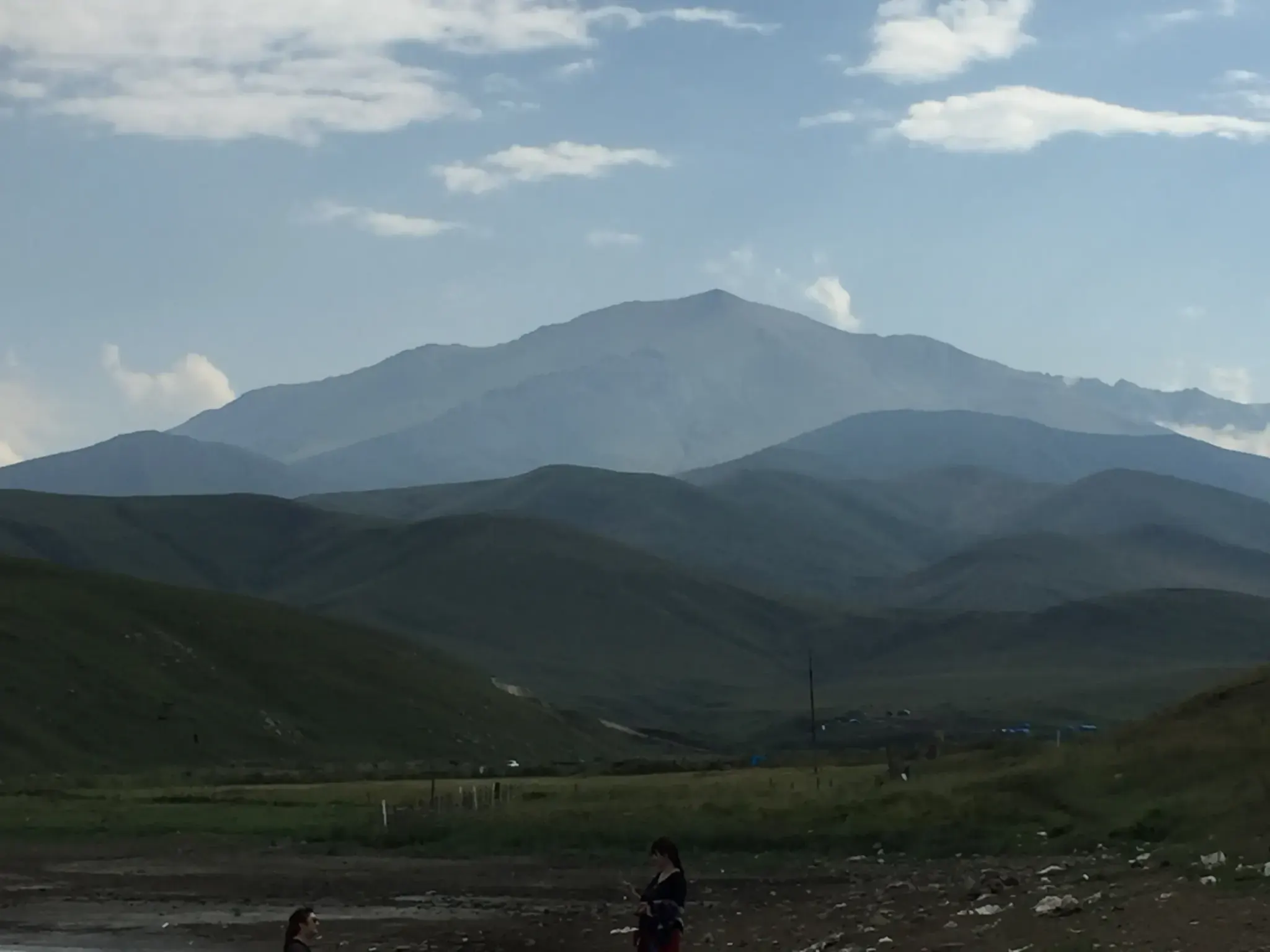
Kalbajar sits among some of the tallest and greenest country in Karabakh. Summer brings alpine meadows and grazing land; the rivers run cold and clear from the peaks. It is the kind of place valued as much for silence and air as for any single monument, a natural destination rather than a built one.
The seasons transform it. In the warm months the high pastures turn green and the valleys fill with wildflowers and grazing herds, the classic image of Caucasus mountain summer. As autumn comes the slopes shift colour; by winter the high ground is snow country, remote and quiet. This rhythm is worth understanding when you plan, because the Kalbajar most travelers picture (green meadows, running rivers, warm air by the springs) is very much a summer landscape.
The Istisu mineral springs
Kalbajar's most famous asset is Istisu, a group of hot mineral springs whose name literally means "hot water." Long known for their therapeutic reputation, the Istisu waters made the area a wellness destination in the past, and they remain the district's signature. The combination of mountains and healing springs is exactly the kind of nature-and-wellness draw that modern travelers seek out.
Mineral and thermal waters have a long tradition in Azerbaijan, the naftalan oil treatments elsewhere in the west are one well-known example, and Istisu belongs to that wider culture of coming to the mountains to take the waters. The appeal is easy to understand: a naturally warm spring, high in clean alpine air, framed by mountains on every side. It is the sort of setting people have valued for wellness for a very long time, and it is the first thing most Azerbaijanis mention when Kalbajar comes up.
Natural riches
The district is also associated with mountain resources and mineral wealth, part of why it has always been considered valuable. For a visitor, though, the appeal is simpler: high country, thermal water, and a landscape that feels untouched.
That untouched quality is the point. Kalbajar is not a place of headline monuments and ticketed sights; it is a place of scenery, altitude and quiet. Travelers who love the mountains, the walkers, the photographers, the people who plan a trip around a view rather than a museum, are the ones who tend to fall for it.
Best time to go
Like the rest of high Karabakh, Kalbajar is at its most rewarding in the warmer half of the year. Late spring through early autumn is typically when the meadows are green, the rivers are full and the mountain air is at its most pleasant, the window most travelers have in mind. Higher ground stays cool even in summer, so a warm layer is worth packing whatever the calendar says.
Winter is a different proposition entirely: snow, cold and short days at altitude. For a fuller sense of when the region as a whole is easiest and most beautiful to travel, see our guide to the best time to visit Karabakh, which lays out the seasons across the whole region.
What to bring and how to plan for the mountains
Kalbajar is high, changeable mountain country, so a little preparation goes a long way. In general terms:
- Layers. Mountain weather turns quickly, and evenings are cool even after a warm day. Bring something warm and something waterproof whatever the season.
- Sturdy footwear. This is a landscape you experience on your feet, on uneven ground, proper shoes matter more than they would in the city.
- Sun and water. At altitude the sun is stronger than it feels; carry water and sun protection.
- Time, not a checklist. Kalbajar rewards a slower pace. The reward here is scenery, air and quiet rather than a list of sights to tick off, so leave room simply to stop and look.
How to include it on a trip
Kalbajar suits a western and mountain-focused Karabakh route, paired with Lachin as the gateway and balanced against the southern nature of Zangilan. For the wider frame, read why Karabakh matters as a destination now.
It pairs naturally with the region's cultural anchor: many travelers combine mountain country like Kalbajar with time in Shusha, the historic and cultural centre of Karabakh, for a trip that balances landscape and heritage. If you are building a broader route, our Karabakh tours page and the wider Karabakh region guide are the places to start.
Which official signals support this
- the presidential program document treats regional development, including natural and thermal resources, as a priority
FAQ
Where is Kalbajar?
Kalbajar is the high mountain district on the western side of Karabakh, known for alpine landscapes, rivers and thermal springs.
What is Istisu?
Istisu is a group of hot mineral springs in Kalbajar, the name means "hot water." The springs are famous for their therapeutic reputation and are the district's signature attraction.
What is there to do in Kalbajar?
The main draw is nature: mountain scenery, alpine meadows, clear rivers and the thermal springs. It is a landscape destination rather than a monument one.
What makes Kalbajar different from the rest of Karabakh?
Altitude and character. Where much of Karabakh is known for its towns and heritage, Shusha above all, Kalbajar is the region's high, wild mountain edge. It is valued for scenery, alpine meadows and thermal springs rather than for built sights, which makes it a natural counterpoint to a culture-focused stop like Shusha.
When is the best time to visit Kalbajar?
The warmer half of the year is generally best, roughly late spring through early autumn, when the meadows are green and the rivers are full. High ground stays cool even in summer, and winter brings snow at altitude. See our best time to visit Karabakh guide for the seasonal picture across the region.
How does Kalbajar fit into a Karabakh trip?
It suits a western, mountain-focused route and pairs well with Lachin as the gateway and with the cultural centre of Shusha. Many travelers combine landscape districts like Kalbajar with the region's heritage stops for a balanced trip.
Can I visit Kalbajar?
Kalbajar is part of Karabakh's reconstruction and access runs through an official framework.
Want to add alpine Karabakh to your trip? Message Pink Travel on WhatsApp with your dates. Explore our Karabakh tours or reach out via our contact page.
Plan Your Karabakh Trip
The main Karabakh planning pages in one place
The hub, tours page, Shusha page, and key guides are grouped together so readers can build context before making a travel decision.
For a long time, Karabakh was mostly known from a distance. Now Shusha, changing access rules, and rebuilding tourism infrastructure are turning it into a destination people can plan with more intention.
Shusha-led routes of one to three days, your entry permit filed for you, and a firm per-person price before you commit to anything.
Why the official Karabakh permit portal won't work for you