
·9 min read
Why Karabakh matters as a travel destination now
Why Karabakh is not a generic regional tour but a destination shaped by its history, Shusha's cultural weight, and a reopening travel framework.
Karabakh is not a destination that works well as a generic regional tour. Its value does not come from scenery alone. History, restoration, culture, and the fact that travel is reopening together are what make it distinct. If you are weighing whether to fold the region into an Azerbaijan trip, the honest answer is that Karabakh rewards travelers who come to understand it, not just to photograph it, and that is exactly why it is worth the extra planning.
This guide lays out what actually makes Karabakh meaningful right now: the story that centers on Shusha, the culture that gives the region its name, and the practical, general-terms planning that helps you decide how it fits your trip.
Shusha stands at the center of that story
Shusha carries the emotional and cultural weight of Karabakh. Official Azerbaijani framing presents the city as the cultural capital of Azerbaijan, which makes it the natural entry point for understanding the wider region.
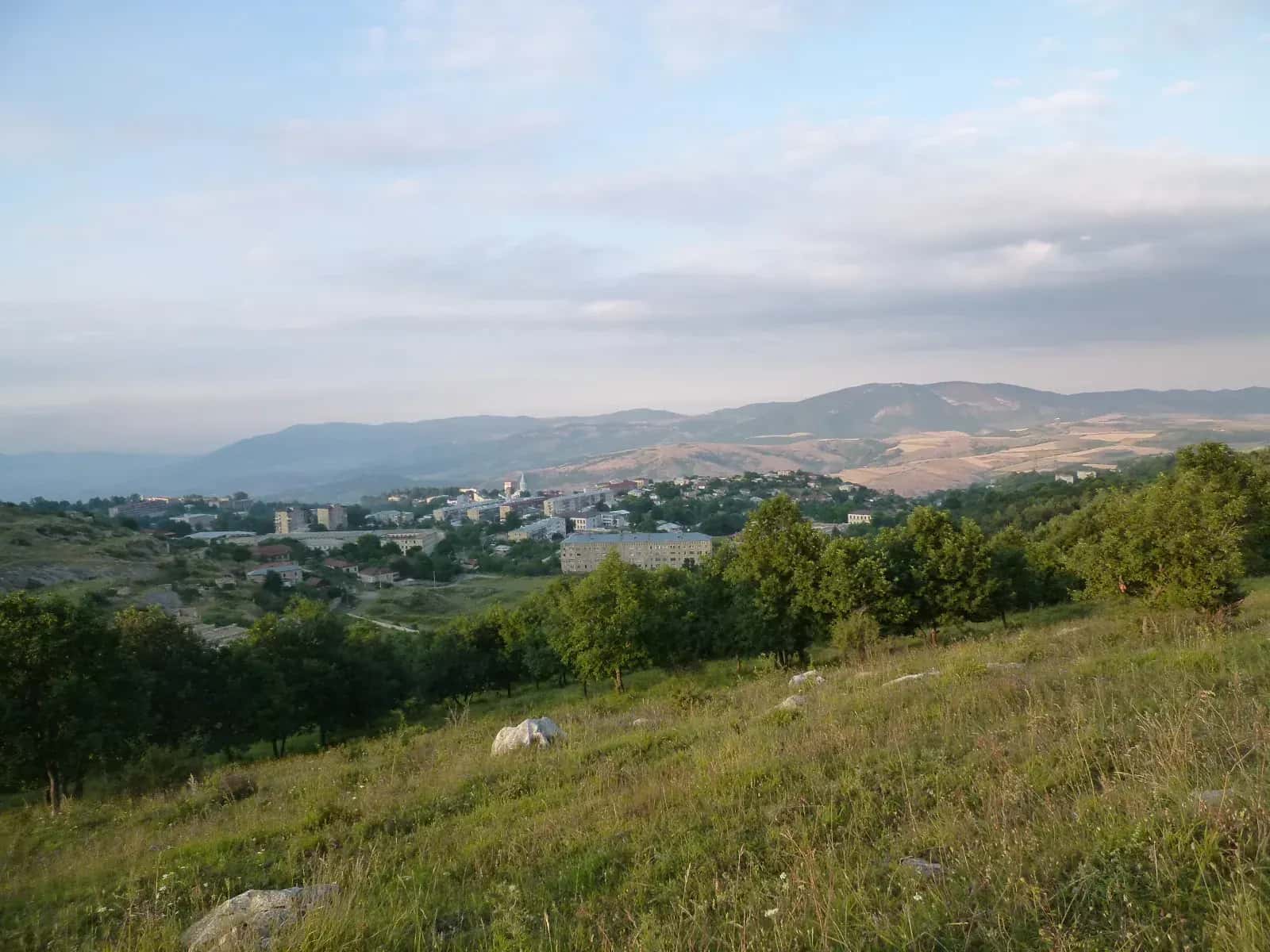
Part of what makes that framing land is the setting itself. Shusha sits on a rocky mountain plateau, ringed by cliffs and forest, at a notably higher elevation than lowland Azerbaijan, the kind of natural fortress that shaped its whole history. It was founded in the mid-18th century by Panahali Khan Javanshir as the seat of the Karabakh khanate, first named Panahabad after him. That defensible site let a real city grow: mosques, mansions, markets, and eventually the cultural life that made the name Shusha famous well beyond the Caucasus. Our Shusha fortress history guide tells that founding story in full.
The culture that gives Karabakh its meaning
You cannot understand why Karabakh matters without understanding what came out of Shusha. This was, above all, a musical city. It produced so many singers, composers, and instrumentalists that it earned a lasting nickname: the conservatory of the Caucasus. Shusha became a home of mugham, the classical, improvisational modal art that is recognized internationally as intangible cultural heritage and sits at the soul of Azerbaijani music. If you want to feel why the city means so much, start with its sound, our Shusha music heritage guide traces that lineage.
The region's identity is woven into objects, too. Karabakh carpets form one of the recognized schools within Azerbaijani carpet weaving, itself inscribed by UNESCO on the Representative List of the Intangible Cultural Heritage of Humanity. Following the motifs is one of the most rewarding ways to read the region's history, as our Karabakh carpet heritage guide explains. And Shusha even has a flower for a symbol: the Kharıbülbül, which grows in the meadows around the city and has become one of the most recognizable emblems of Karabakh, the subject of our Kharıbülbül guide. Music, carpets, and a flower together explain what the scenery alone never could.
What makes the destination unique
The strongest truth about Karabakh is that it was known from a distance for a long time. Now, rebuilding infrastructure, a clearer official travel framework, and the renewed cultural focus on places like Shusha are turning it into a real planning topic.
That combination is unusual. Most destinations offer either deep history or the appeal of somewhere new, Karabakh offers a centuries-old cultural capital that is being actively restored and reopened for discovery at the same time.
Why generic copy is weak here
It is not enough to describe Karabakh as nature and viewpoints. Travelers want to understand why the destination is historically consequential, culturally weighty, and newly opening for discovery. Strong content should say that clearly, factually, and without hype.
Which official signals support this
- the Ministry of Culture document confirms Shusha’s status as the cultural capital of Azerbaijan
- the presidential program document treats tourism infrastructure and tourism products in the liberated territories as a development priority
Planning a visit in general terms
Karabakh sits inland, west of Baku, so nearly every trip is organized as an extension of a wider Azerbaijan itinerary rather than a standalone destination. Most travelers build it around Shusha and give the region its own dedicated days rather than trying to fold it into a single rushed excursion.
- How long: Shusha deserves unhurried time to make sense. Its music, architecture, and setting reward slow walking rather than a quick photo stop. Many visitors pair it with at least a night or two in the region so the cultural weight has room to land. Our how to plan a Shusha trip guide helps you size the visit.
- Best season: The region is mountainous and sits at elevation, so spring through early autumn is generally the most comfortable window, with milder days and green plateaus; winters are colder and snowier than the lowlands. For a fuller seasonal picture, see the best time to visit Karabakh.
- What to bring: Comfortable walking shoes for uneven, historic ground; layers, since mountain evenings run cool even in summer; sun protection for exposed plateaus; and a modest, respectful approach around cultural and religious sites.
- How it connects: As an inland region, Karabakh slots naturally into a wider itinerary after time in the capital and the classic regional stops. See how the pieces string together in our 7-day Azerbaijan itinerary.
Anything specific to entry and movement in the region, the current official travel framework, should be checked against the guidance below rather than assumed, because it is the part that changes.
What this means for travelers
It means people planning Karabakh are not only asking where to go. They are also asking why now, how much time Shusha needs, and how to verify access correctly.
That is why the next two useful steps are to read the Karabakh access guide and then move into planning Shusha travel.
FAQ
Why does Karabakh matter as a destination now?
Because rebuilding infrastructure, a clearer official travel framework, and renewed cultural focus on places like Shusha are turning a region long known only from a distance into a real planning topic, not just a scenery tour.
Why is Shusha so central to understanding Karabakh?
Shusha carries the emotional and cultural weight of the region and is officially framed as the cultural capital of Azerbaijan, which makes it the natural entry point for reading the wider region.
Do official sources support this framing?
Yes. The Ministry of Culture document, and the presidential program document both confirm Shusha's status and the priority placed on tourism in the region.
Where should I start when planning?
Review the official access framework first, then decide whether the trip is Shusha-led. Our Karabakh access guide is the right first read.
How much time does Karabakh need?
Enough that Shusha's music, architecture, and setting have room to land. Most travelers give the region its own dedicated days rather than a single rushed excursion. Our how to plan a Shusha trip guide helps you decide.
When is the best time to go?
The region is mountainous and sits at elevation, so spring through early autumn is generally the most comfortable window, while winters are colder and snowier than the lowlands. See the best time to visit Karabakh for a fuller picture.
What makes Shusha culturally important beyond its history?
It is a musical city above all, nicknamed the conservatory of the Caucasus for the mugham singers and composers it produced, and it anchors traditions like Karabakh carpet weaving and the Kharıbülbül symbol. The Shusha music heritage guide is a good place to feel why.
Ready to plan a trip that puts Shusha's weight at the center? Message Pink Travel on WhatsApp with your dates and intent, and we'll shape a route around it. Start by exploring our Karabakh tours or reach out via our contact page.
Plan Your Karabakh Trip
The main Karabakh planning pages in one place
The hub, tours page, Shusha page, and key guides are grouped together so readers can build context before making a travel decision.
For a long time, Karabakh was mostly known from a distance. Now Shusha, changing access rules, and rebuilding tourism infrastructure are turning it into a destination people can plan with more intention.
Shusha-led routes of one to three days, your entry permit filed for you, and a firm per-person price before you commit to anything.
Why the official Karabakh permit portal won't work for you