
·9 min read
Why Visit Baku in 2026? 9 Reasons to See the City of Winds
Why visit Baku? Nine reasons to see the 'City of Winds' on the Caspian in 2026 (UNESCO Old City, Flame Towers, food) plus what Baku is famous for.
Baku is worth visiting because few capitals pack this much contrast into a walkable space: a UNESCO-listed medieval Old City sits minutes from Zaha Hadid's flowing Heydar Aliyev Center, all strung along a breezy Caspian Sea promenade. It's a genuine crossroads of Europe and Asia, and most travelers find 3–4 days is the right amount of time. Here are nine reasons it belongs on your 2026 list, plus the practical details to plan the trip.
1. A UNESCO Old City beside a futuristic skyline
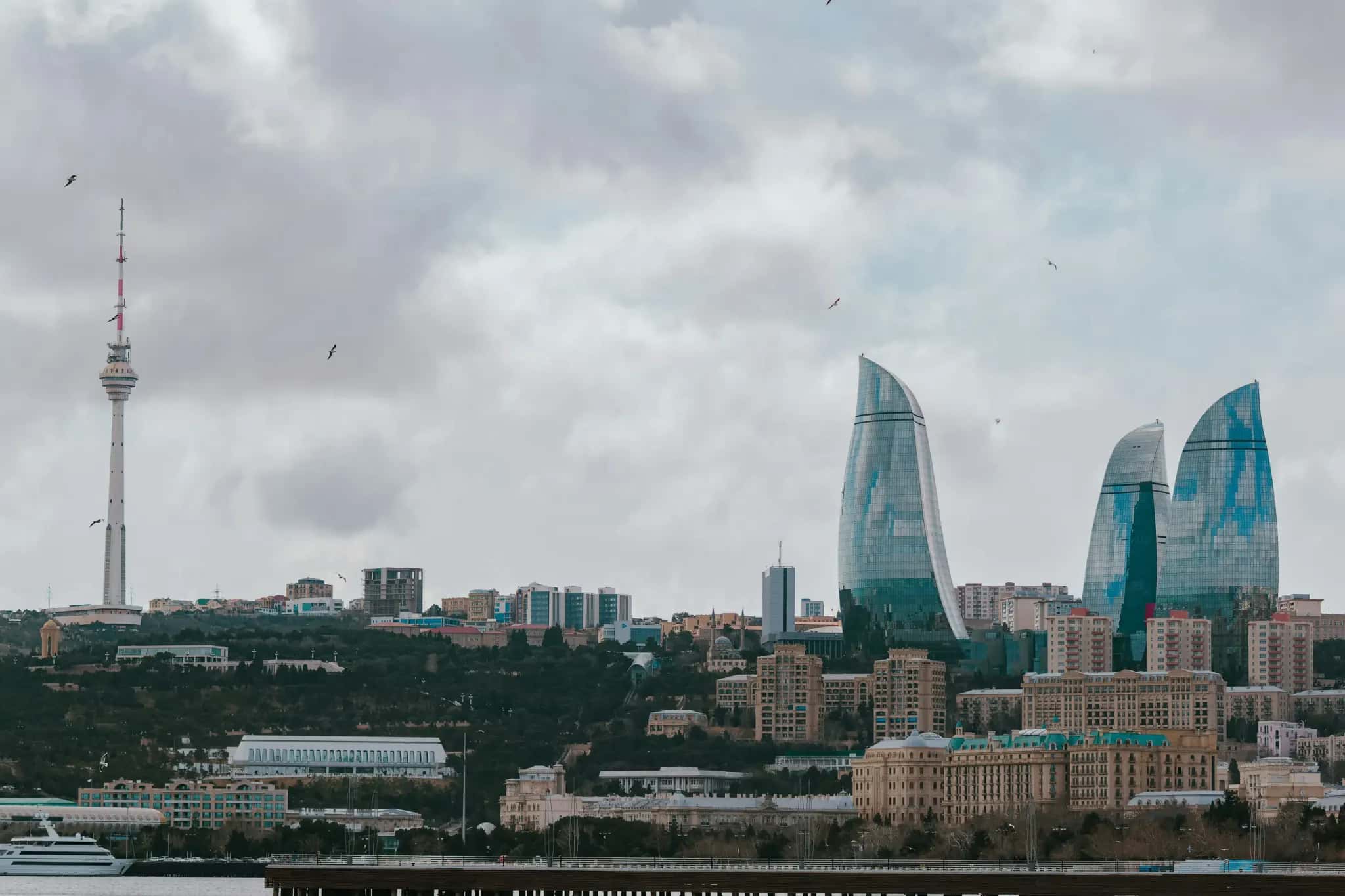
Baku's walled Old City (İçərişəhər) is a UNESCO World Heritage Site, home to the medieval Maiden Tower and the 15th-century Palace of the Shirvanshahs. Step outside the walls and the Flame Towers rise over the skyline, the contrast between centuries-old stone and modern glass is the single most memorable thing about the city. Our Icherisheher Old City guide walks you through it.
2. World-class architecture
The Heydar Aliyev Center, designed by Zaha Hadid, is one of the most photographed modern buildings in the region, a column-free wave of white curves with no straight lines. Together with the Flame Towers, which are lit by changing LED displays after dark, Baku rewards anyone who cares about design.
3. The Caspian seafront
The Baku Boulevard runs for kilometres along the Caspian shore, with parks, cafés, the Baku Ferris Wheel, and Crystal Hall (built for the 2012 Eurovision Song Contest). It's the easiest, most pleasant way to spend a warm evening in the city.
4. A real food scene
Azerbaijani cuisine blends Middle Eastern, Caucasian, and Eastern European influences. Try plov (saffron rice pilaf), kebabs, dolma, and the slow-cooked lamb stew piti, and finish with pakhlava or shekerbura. For a deeper dive, see our guide to what to eat in Azerbaijan.
5. Lively evenings
Baku's nightlife ranges from rooftop bars with skyline views to tea houses and live-music venues. The Old City and Fountains Square area stay busy late, and the atmosphere is relaxed and safe.
6. Culture and the arts
Baku hosts festivals through the year and is home to the Azerbaijan State Academic Opera and Ballet Theatre, the National Museum of Art, and a growing contemporary scene. Carpet weaving is a recognized national art, the Azerbaijan Carpet Museum is shaped like a rolled carpet.
7. Shopping, old and new
Nizami Street is a pedestrian boulevard of boutiques and cafés, while the Old City's shops sell carpets, ceramics, and jewellery. For everyday local colour, the city's bazaars are worth an hour.
8. An easy regional base
Baku sits at the crossroads of Europe and Asia and is well connected by air, which makes it a natural starting point for a wider trip, Sheki, Gabala, and even Karabakh are all reachable from here. See how it fits into a full route in our 7-day Azerbaijan itinerary.
9. Genuine hospitality
Hospitality is taken seriously in Azerbaijan, and visitors routinely mention how welcome they feel. It's a quality that's hard to photograph but easy to remember.
Why is Baku called the "City of Winds"?
Baku's oldest nickname is the City of Winds, and many trace the name Baku itself to the Persian bad-kube, roughly "city where the wind beats." Strong, steady winds sweep off the Caspian and across the Absheron Peninsula all year: the warm, dusty southern gilavar and the cold northern khazri that clears the sky and stirs up the sea. You'll feel it on the Boulevard on almost any day, and it's why wind turbines line the peninsula. Confusingly, Baku is just as often called the Land of Fire, for the natural gas flames of Yanar Dag and the Ateshgah fire temple, so the city lays claim to both elements at once.
Getting to Baku
Most visitors arrive at Heydar Aliyev International Airport (GYD), about 25 km northeast of the centre and connected by airport bus and taxi. Baku is well served by direct flights from the Gulf, Turkey, Europe, and beyond. Most travelers enter on the ASAN Visa e-visa, which is applied for online in advance. See our Azerbaijan e-visa guide for who needs one and how the process works.
Getting around the city
The historic core is compact and best explored on foot, the Old City, Fountains Square, and the Boulevard are all within an easy walk of each other. For longer hops, the Baku Metro is cheap and efficient (buy a rechargeable BakıKart), with central stations at İçərişəhər, Sahil, and 28 May. Ride-hailing apps and taxis are inexpensive and widely used for anything further out.
Where to stay: neighbourhoods
- İçərişəhər (Old City), atmospheric, walkable, and steps from the headline sights; quieter at night.
- Fountains Square / Nizami Street, the lively, central choice, surrounded by cafés, shops, and restaurants.
- The Boulevard / seafront, for Caspian views and easy evening strolls.
Best day trips from Baku
Baku makes an excellent base for half- and full-day excursions:
- Gobustan, thousands of years of rock art plus bubbling mud volcanoes, about an hour south. See our Gobustan petroglyphs guide.
- The Absheron Peninsula, the Ateshgah fire temple and Yanar Dag burning hillside that earned Azerbaijan its "Land of Fire" name.
- Farther afield, Sheki, Gabala, and the Karabakh region are all reachable for longer trips out of the capital.
How long to stay and how it fits a wider trip
Three to four days covers Baku itself comfortably, with one or two day trips. If you have a week or more, use the city as a launchpad and continue into the regions, our 7-day Azerbaijan itinerary shows one way to string it together. For the bigger picture on the city's character, read Baku: where East meets West, or browse the full Baku city guide.
FAQ
What is Baku famous for?
Baku is famous as the "City of Winds" on the Caspian Sea and as the capital of Azerbaijan, the "Land of Fire." It's known for its UNESCO-listed walled Old City and Maiden Tower, the futuristic Flame Towers and Zaha Hadid's Heydar Aliyev Center, saffron plov and carpet weaving, and for hosting Formula 1 and Eurovision.
Is Baku worth visiting?
Yes. Baku combines a UNESCO-listed Old City, striking modern architecture, a long Caspian seafront, and a strong food scene in a compact, walkable centre, a lot of variety for a short trip.
How many days do you need in Baku?
Three to four days is comfortable for the city itself: the Old City, the seafront, the main museums, and a day trip such as Gobustan or Absheron. Add more if you plan to continue to Sheki, Gabala, or Karabakh.
What is the best time to visit Baku?
Spring (April–June) and autumn (September–October) are the most pleasant, with mild temperatures. Summers are hot and windy; winters are mild but breezy.
Is Baku safe for tourists?
Baku is generally considered a safe and welcoming city for visitors. Normal travel precautions apply, as anywhere.
Do I need a visa to visit Baku?
Most travelers use Azerbaijan's ASAN Visa e-visa, applied for online before the trip. Check the current rules for your nationality in our e-visa guide.
How do I get from the airport to the city?
Heydar Aliyev International Airport is about 25 km from the centre, connected by an airport bus and by taxi or ride-hailing apps.
Planning a trip and want a route built around your dates and pace? Message Pink Travel on WhatsApp with your dates and group size, and we'll put together a clear plan for Baku and beyond.