
·9 min read
A 3-day Karabakh itinerary: Shusha-led and built around the right pace
A sample 3-day Karabakh itinerary with Shusha as the main cultural center, a more disciplined entry rhythm, and selected scenic stops.
This sample route is built to make Karabakh feel like one coherent trip rather than a pile of separate stops. The main idea is to give Shusha enough weight, keep the entry rhythm under control, and only add extra stops when they strengthen the program.
Below we walk through each day, then cover the practical side, how long to give the region, the best season, what to pack, and the questions travelers ask us most. Think of it as a framework to adapt, not a fixed script: the shape holds, while the pace and the extra stops flex around your priorities.
Karabakh at a glance
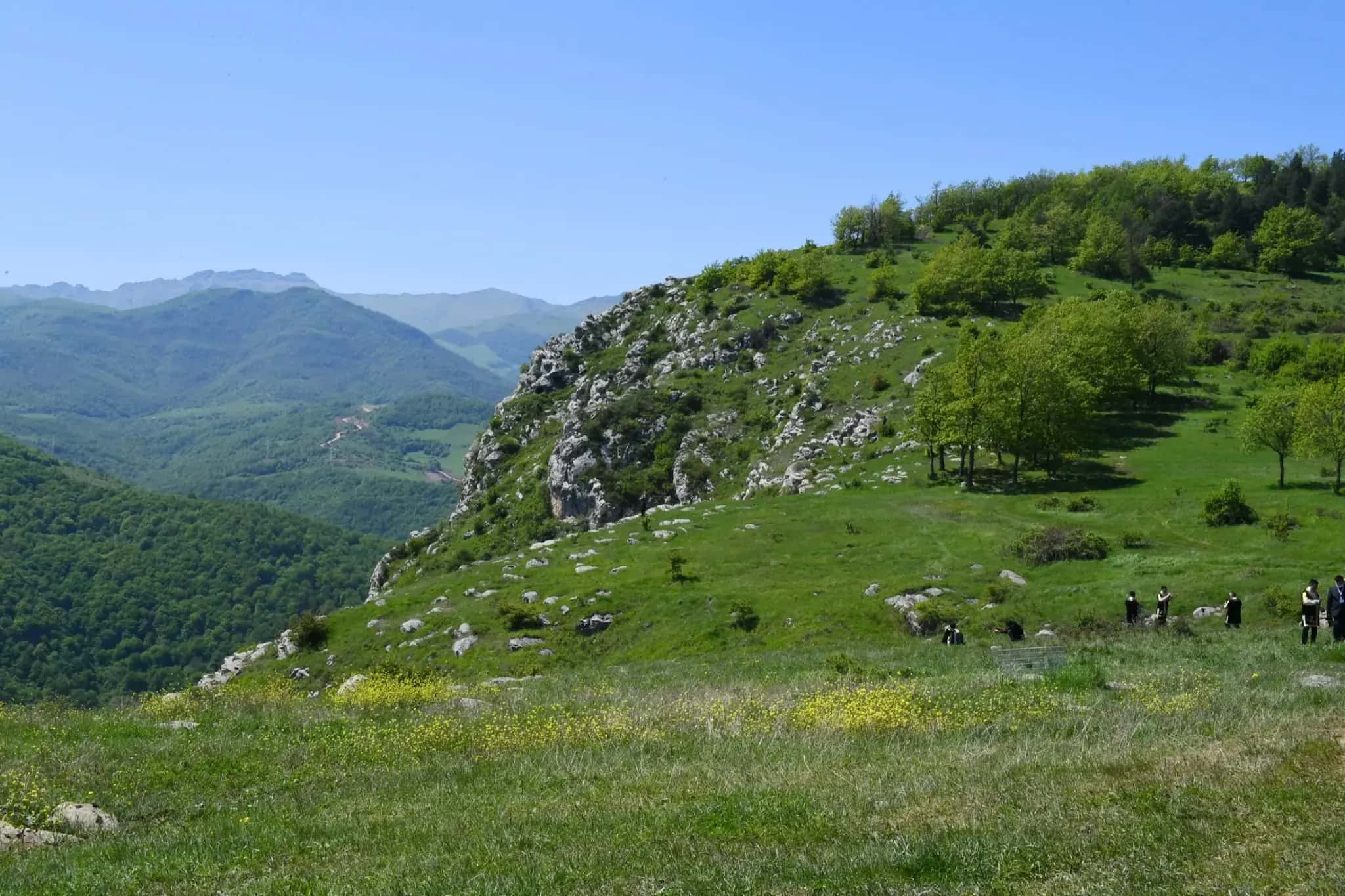
Karabakh is upland country in Azerbaijan's west, and that geography shapes everything about a trip here. Much of the region sits well above the coastal plain, so the air stays fresher and the light softer than lowland Azerbaijan even in high summer. Shusha, the cultural anchor of this itinerary, is a highland town set on a rocky plateau ringed by cliffs and forest, a site chosen centuries ago precisely because it was hard to reach and easy to defend.
That elevation is the reason the region has drawn people up into its hills for generations: cool summers, spring water, and long views. It also explains why a Karabakh route rewards a measured pace. You are moving through mountains, not ticking off a flat sightseeing list, and the trip feels best when the rhythm respects that. For a fuller picture of the region and how it fits a wider Azerbaijan trip, see our Karabakh region overview.
Day 1: Leave Baku and enter the route rhythm
The first day should not be about collecting the maximum number of stops. A better option is to shape the road, the access context, and the overall rhythm correctly.
Practically, this is a travel day. The drive from Baku heads west across the country, and the landscape shifts from Caspian coast to open plains to rising foothills as you go, a transition that is worth watching rather than sleeping through. Treat it as part of the trip, not just transfer time. We break the journey down in detail in our guide to getting from Baku to Shusha.
Arriving with the afternoon still ahead, a light first evening settles the group into the highland setting without overloading anyone on day one. Save the heavy sightseeing for when you are rested and the city has your full attention.
Day 2: Shusha as the center of the program
This is the core of the route. Shusha is strongest when it is not rushed. The city's atmosphere, views, and cultural weight open up at that pace.
Shusha was founded in the mid-18th century by Panahali Khan Javanshir as the capital of the Karabakh khanate, and its natural defenses let a real city grow behind the walls, mosques, mansions, markets, and the cultural life that made the town famous across the Caucasus. That legacy is why Shusha carries so much meaning: it became a center of Azerbaijani music, poetry, and carpet weaving, the birthplace of a long line of musicians and the home of a distinctive carpet heritage.
Give the day to the things people come for:
- The fortress walls and gates, including the well-known Ganja Gate, that frame the old town. Our Shusha Fortress history explains how the defensive stone shaped the city.
- Jidir Duzu, the flat plateau on the city's edge with panoramic views over the surrounding mountains, long tied to Karabakh's horse heritage and traditional gatherings.
- The Vagif Mausoleum, honoring the 18th-century poet and statesman Molla Panah Vagif, and the wider musical heritage the town is known for.
The point of the central day is depth, not distance. A slower Shusha almost always beats a busier one. If the city is your main reason for the trip, our guide on how to plan a Shusha trip goes deeper on giving it its own time.
Day 3: Scenic stops and return
The last day should be lighter. A few selected panoramic stops and a calmer return usually create the stronger ending.
Rather than adding a long list of new places, this is the day to enjoy the drive back and pause at one or two viewpoints that let the landscape sink in. The highland-to-lowland transition you watched on the way out reads differently in reverse, and a relaxed return leaves people with the region's best impression rather than travel fatigue.
Why this structure works
Because it gives you all of these at the same time:
- one clear cultural center
- room for panoramic value
- enough flexibility for the group
That balance is what makes Karabakh feel like a designed journey rather than a collection of disconnected stops.
How long to give it
Three days is the sweet spot for a first visit built around Shusha: one settling-in travel day, one full central day, and a calmer return. If Shusha is your single priority and you want to slow right down, adding a night gives the city more room. If the wider region matters more to you, the same three-day frame holds while the extra stops change. What we would not recommend is trying to compress the whole thing into a single rushed day-trip, the cultural heart of the trip needs time to land.
Best season and what to bring
Because Karabakh is a highland region, conditions swing more by season and altitude than you might expect from a country better known for its warm Caspian coast. Spring and early autumn are usually the most balanced windows, green hillsides and comfortable temperatures in spring, clear light and settled weather in early autumn, while summer stays pleasantly cool up in Shusha and winter turns properly cold in the mountains. We go deeper into the tradeoffs in our guide to the best time to visit Karabakh.
Whatever the season, pack for the mountains rather than the coast:
- Layers, since a day that feels warm in Baku can be crisp and breezy up on the plateau.
- Comfortable walking shoes, the old town and fortress are best explored on foot, on uneven historic stone.
- A light rain layer in the shoulder seasons, when mountain weather changes faster.
- Sun protection for the exposed viewpoints, and something warm for cooler evenings even in summer.
When to customize it
If Shusha is your main priority, you can give the city more time. If the wider region matters more, the structure stays but the extra stops change. Before locking dates, it also makes sense to check the Karabakh access guide and our wider Karabakh region overview. For more on giving the city its own time, see how to plan a Shusha trip.
FAQ
Is three days enough for Karabakh?
For most travelers, yes. Three days gives Shusha a proper central day, room for a calmer arrival and return, and a few scenic stops without overloading the program. Shorter than that usually means rushing the cultural heart of the trip.
Do I need to confirm anything before booking?
Yes. Karabakh is visited through an organized framework, so confirm the current rules on the official sources first.
Can the itinerary be adjusted for my group?
Yes. The structure stays the same, but the pace and the extra stops flex around your priorities and group size. Share your dates and we'll shape a realistic version.
What is the best time of year for this route?
Spring and early autumn are usually the most balanced, thanks to comfortable temperatures and clear light in the highlands. Summer stays cooler up in Shusha than on the coast, and winter is genuinely cold in the mountains. Our best time to visit Karabakh guide breaks down each season.
Why is Shusha the center of the itinerary?
Because it carries the most cultural weight in the region. Shusha grew as the capital of the Karabakh khanate and became a center of Azerbaijani music, poetry, and carpet weaving, and its fortress, viewpoints, and old town give a trip a clear anchor. Our Shusha Fortress history covers why the city sits at the heart of Karabakh's story.
How much time does the drive from Baku take?
It's a proper cross-country journey west from the capital, so treat the first day as a travel day rather than trying to sightsee heavily on arrival. We cover the route in detail in getting from Baku to Shusha.
Want a 3-day Karabakh trip built around the right pace? Message Pink Travel on WhatsApp with your dates and group size, and we'll shape the route around the official framework.
Plan Your Karabakh Trip
The main Karabakh planning pages in one place
The hub, tours page, Shusha page, and key guides are grouped together so readers can build context before making a travel decision.
For a long time, Karabakh was mostly known from a distance. Now Shusha, changing access rules, and rebuilding tourism infrastructure are turning it into a destination people can plan with more intention.
Shusha-led routes of one to three days, your entry permit filed for you, and a firm per-person price before you commit to anything.
Why the official Karabakh permit portal won't work for you