
·8 min read
Best time to visit Karabakh: choose the season around your travel intent
A seasonal guide to Karabakh, why spring and early autumn are the most balanced choices, when a Shusha-led route is strongest, and when to plan.
The best time to visit Karabakh is not just about weather. It also depends on the experience you want, how much time you want to give Shusha, and how comfortably your dates fit the travel framework. In that sense, the shoulder seasons are often the best starting point.
We plan Karabakh routes year-round, and the honest answer we give most travelers is the same one that applies to a lot of mountain regions: pick the season that matches what you came for, then build the pace around it. Below we break down each season, the geography that shapes the climate, how long to give the region, and the practical details worth sorting before you fix dates.
Why the season matters more here
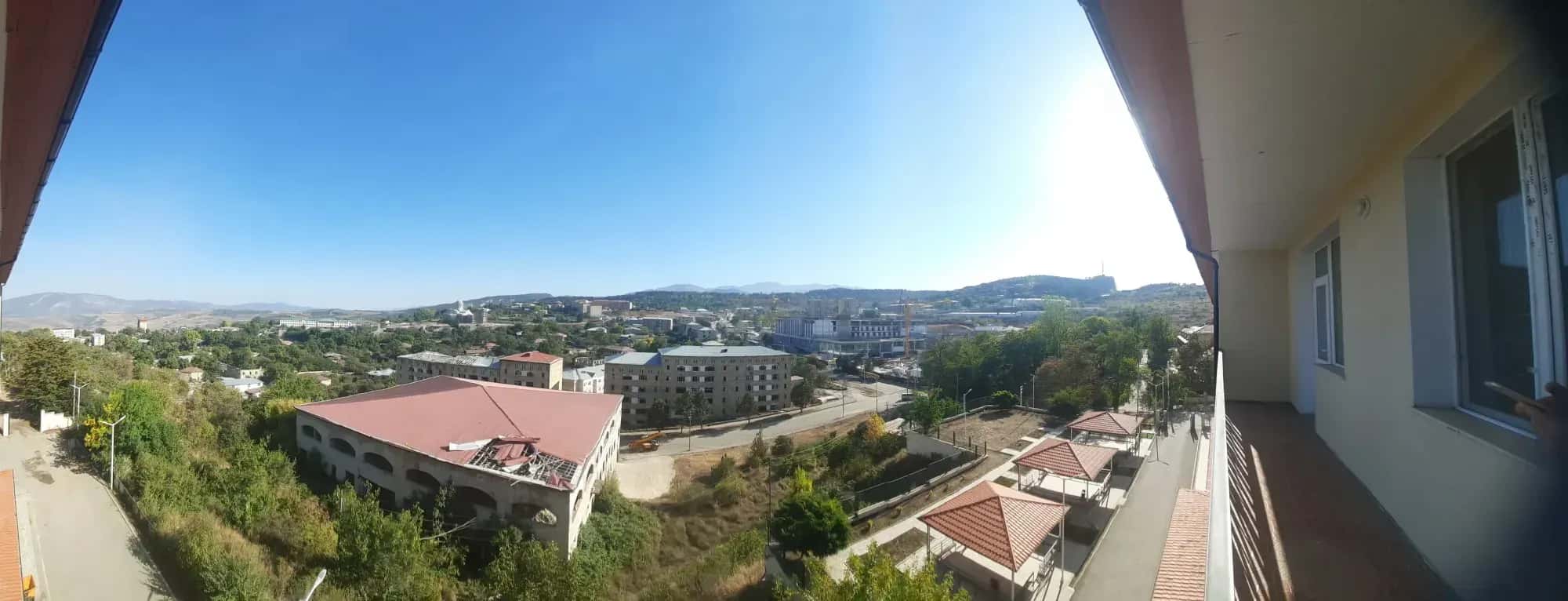
Karabakh is upland country. Much of the region sits well above the coastal plain, and Shusha in particular is a highland town perched on a rocky plateau, which keeps its air noticeably fresher and cooler than lowland Azerbaijan even in high summer. That elevation is why Karabakh has drawn people up into its hills for generations, the cool summers, the spring water, and the long views.
The practical takeaway is that conditions swing more by season and altitude than you might expect from a country better known for the warm Caspian coast. A day that feels balmy in Baku can be crisp and breezy up in Shusha, and mountain weather changes faster. Choosing the right window smooths all of that out.
Spring
Spring brings greenery, softer light, and a renewed sense of route. Shusha-led programs often feel especially balanced in this season.
It is also the season the region is most associated with. The hillsides green up, streams run full, and the highland meadows come into their own. This is the landscape behind Karabakh's long tradition of spring flowers and mountain water. If you care about photography or simply want the region at its most alive, a late-spring window is hard to beat. We go deeper into that window in our Karabakh spring travel outlook.
Pack for changeable mountain weather: layers, a light waterproof, and comfortable shoes for uneven ground. Spring is one of the more popular times to travel, so it pays to settle rough dates early.
Summer
Summer brings long daylight and strong visuals, but the program needs more care. Stop count matters less than getting the rhythm right.
The upside of Karabakh's elevation shows here: highland Shusha tends to stay more comfortable than the lowlands during the hottest months, which is part of why it has long been a warm-season retreat. The long days give you generous time on the road and plenty of light for panoramic stops. The trade-off is that a packed, rushed schedule works against the season, better to give each stop room to breathe than to chase a longer list.
Early autumn
Early autumn is often the most balanced option. The weather feels lighter, the road works more gently, and cultural stops combine well with panoramic moments.
Skies tend to be clear, the light turns golden, and the crowds of the peak thin out. It is our quiet favorite for travelers who want a mix of culture and scenery without committing to a single theme. Like spring, it rewards a bit of forward planning, since it is another window people gravitate toward.
Winter
Winter can also work, but it usually benefits from a more compact structure. In that season, a tighter Shusha-first format is often stronger.
At altitude, expect cold, the real chance of snow, and shorter daylight, so a focused itinerary that keeps moving between a smaller number of meaningful stops tends to land better than a sprawling one. Bring proper warm layers and footwear with grip. For anyone drawn to a stark, snow-dusted highland mood, winter has a quiet beauty the busier seasons don't.
How long to give Karabakh
For most travelers, two to three days is a comfortable frame that lets Shusha anchor the trip without feeling rushed. A tighter one-to-two-day version works when time is short and you keep the format Shusha-first; a longer stay suits anyone who wants to layer in more scenery and cultural depth. Our Karabakh 3-day itinerary shows one balanced way to structure it, and how to plan a Shusha trip drills into the town itself.
What to bring, whatever the season
- Layers. Mountain temperatures shift between shade and sun, morning and evening, more than the lowlands do.
- Sturdy, comfortable shoes. Historic streets and viewpoints mean uneven ground.
- Sun protection. High, clear light is strong even when the air is cool.
- A light waterproof in spring and autumn, proper warmth in winter.
- A camera or a charged phone, the panoramas are the point.
Practical result
If you are unsure, start with spring or early autumn. Then decide whether the trip should be Shusha-led, scenic, or mixed. Before fixing dates, it is also smart to review the Karabakh access guide.
Karabakh works best as part of a wider Azerbaijan trip rather than a standalone dash, and Shusha is the natural centre of gravity for a first visit. For the bigger picture, our Karabakh region overview sets the scene, and the Shusha city guide covers the town in more detail.
FAQ
What is the best overall season to visit Karabakh?
Spring and early autumn are usually the most balanced choices: lighter weather, softer light, and cultural stops that combine well with panoramic moments. Summer and winter both work with a more carefully structured program.
Can I visit Karabakh in winter?
Yes, but winter usually benefits from a tighter, Shusha-first format. A more compact program helps you get the most out of the season. Bring warm layers and footwear with good grip, since it can be cold and snowy at altitude.
Why is Shusha cooler than Baku in summer?
Shusha is a highland town on an elevated plateau, so its air stays fresher and cooler than lowland Azerbaijan even in the hottest months. That elevation is a big part of why the region has long been a warm-season retreat.
How many days should I plan for Karabakh?
Two to three days is a comfortable frame that lets Shusha anchor the trip without feeling rushed. You can do a focused Shusha-first version in one to two days, or add time for more scenery and cultural depth. See our Karabakh 3-day itinerary for one balanced structure.
What should I pack?
Layers for changeable mountain weather, comfortable shoes for uneven ground, and sun protection for the strong highland light. Add a light waterproof in spring and autumn, and proper warm gear in winter.
What else should I check before choosing dates?
Always review the official access framework before fixing dates, since it shapes the practical side of any season. See our Karabakh access rules and the broader Karabakh overview.
How far ahead should I plan?
Earlier is better, especially for popular spring and autumn windows. Reach out as soon as you have rough dates and group size.
Ready to choose your season? Message Pink Travel on WhatsApp with your dates and interests, or reach out via our contact page, and we'll shape a realistic, well-paced Karabakh route around them.
Plan Your Karabakh Trip
The main Karabakh planning pages in one place
The hub, tours page, Shusha page, and key guides are grouped together so readers can build context before making a travel decision.
For a long time, Karabakh was mostly known from a distance. Now Shusha, changing access rules, and rebuilding tourism infrastructure are turning it into a destination people can plan with more intention.
Shusha-led routes of one to three days, your entry permit filed for you, and a firm per-person price before you commit to anything.
Why the official Karabakh permit portal won't work for you