
·8 min read
Jidir Düzü and Topkhana: Shusha's legendary plateau and forest
Jidir Düzü, the historic plain at the edge of Shusha, and the nearby Topkhana forest, their place in Karabakh's culture and how to experience them.
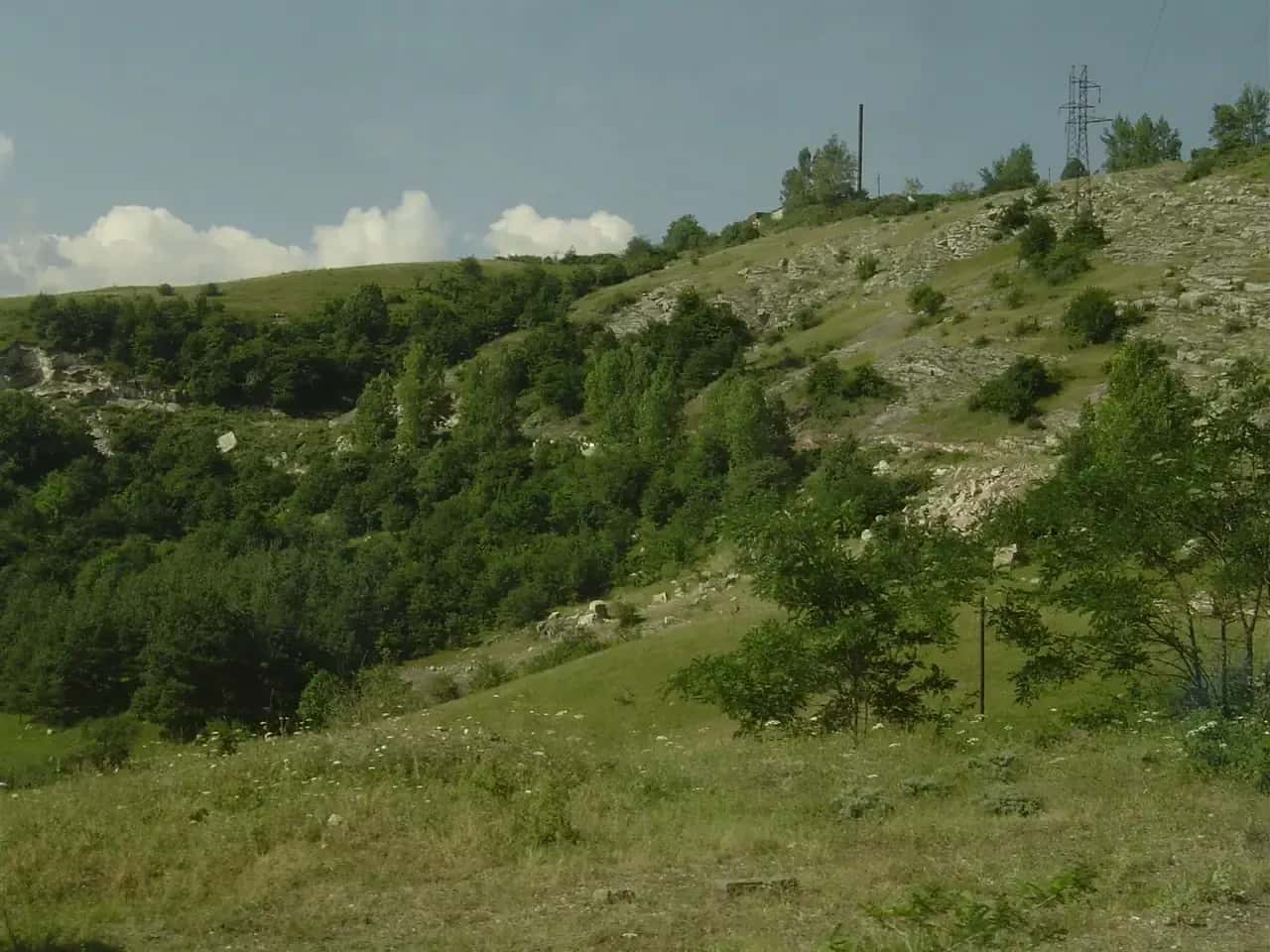
At the edge of Shusha, the land opens into a wide plateau with the mountains falling away beyond it. This is Jidir Düzü, the plain that appears in Karabakh's poetry, songs and memory as often as any building. Together with the nearby Topkhana forest, it forms the natural stage on which much of Shusha's cultural life has always played out. For many travelers, it is the moment Shusha stops being a name on a map and becomes a place you feel, a horizon, a breeze off the mountains, and a silence that carries a lot of history.
This guide covers what Jidir Düzü and Topkhana mean to Karabakh, what you actually see and do there, and how to fold both into an unhurried Shusha day.
What Jidir Düzü means to Karabakh
Jidir Düzü, often translated as the "racing plain", was historically a gathering place: a ground for horse races, festivals and celebrations, with the famous Karabakh horses at the center of the scene. Its name carries emotional weight in Azerbaijani culture, a shorthand for Shusha's spirit. Standing on it, a traveler gets one of the great panoramas of the region.
The plain has long been woven into the region's artistic life. Shusha is remembered as a cradle of Azerbaijani music, closely tied to mugham and a long line of celebrated singers and composers, and Jidir Düzü is the open-air setting where that culture and the surrounding landscape meet. Poets returned to it as an image again and again, until the name itself came to stand for home. That is why, even before you know the individual stories, the place reads as significant: it is a landscape that a whole culture has spent centuries looking at and singing about.
The view and the setting
The plateau's edge offers a sweeping outlook over the surrounding mountains and valleys, the kind of view that explains why Shusha was both defensible and beloved. Perched high on its rocky plateau and ringed by cliffs, the town used its terrain as a natural wall, and from Jidir Düzü you can read that geography at a glance. It is a fine place to simply stop, orient yourself, and understand how the town sits in its mountains before you explore the streets below.
The plain is also close to the city's cultural anchors, including the Vagif Mausoleum, and it is a natural home for events like the Kharıbülbül festival, named for the flower that has become a symbol of Shusha. To understand how the plateau connects to the fortified town itself, our Shusha Fortress history guide traces how a mountain city became Karabakh's stronghold.
The Topkhana forest
Nearby, the Topkhana forest adds a layer of green to the story. It is remembered as a symbol of Karabakh's natural heritage and has featured in the region's cultural and environmental consciousness. For a visitor, it rounds out Jidir Düzü, plateau and forest together, view and shade, ceremony and nature.
Shusha's high, mountain-forest setting means the air is cooler and fresher than the lowlands, and the wooded slopes around the town have always been part of its appeal as a summer retreat. Topkhana is the easiest shorthand for that side of Shusha: where the plateau is all openness and horizon, the forest is enclosure, birdsong and cool shade. Seen together, they explain the town's double character, a place of gatherings and grand views, and a place of quiet retreat into the trees.
What to see and do
- Take in the panorama from the plateau's edge, the single most memorable view in Shusha, and the best place to grasp how the town sits in its landscape.
- Connect it to the horse tradition. Jidir Düzü is inseparable from the Karabakh horse; reading up on that heritage first makes the plain come alive.
- Time it with the light. Late afternoon and early evening are kind to the view and to photographs, as the mountains soften and the air cools.
- Pair plateau with forest. Balance the open outlook of Jidir Düzü with a slower moment among the trees of Topkhana for the full contrast.
- Let it frame the rest of Shusha (the mausoleums, the music heritage, and the old town) rather than treating it as a single tick-box stop.
When to go and what to bring
Shusha sits high in the mountains, so the seasons matter. Late spring through early autumn is generally the most comfortable window for spending unhurried time outdoors on the plateau, with milder weather and long daylight; the shoulder months can be cool and changeable, and winter brings genuine mountain cold. For a fuller seasonal breakdown of the wider region, see our guide to the best time to visit Karabakh.
Because you are at altitude and out in the open, a few simple things make the visit better:
- Layers. Even in warm months the plateau can be breezy, and evenings cool quickly.
- Comfortable shoes. You will be walking on natural ground, not paved paths.
- Sun and water. Shade is limited on the open plain, so bring a hat, sunscreen and something to drink.
- A camera or phone with room to spare. This is one of the most photogenic spots in Karabakh.
How to experience it
Jidir Düzü is best woven into an unhurried Shusha day rather than treated as a single stop, pause for the view, connect it to the horse and festival traditions, and let it frame the rest of the city. Give it more than a quick photo: this is a place that rewards standing still. For how to structure that, read how to plan Shusha travel, which explains why the city deserves its own time rather than a rushed add-on.
Which official signals support this
- the Ministry of Culture document confirms Shusha's cultural-capital status
FAQ
What is Jidir Düzü?
Jidir Düzü is a historic plain at the edge of Shusha, traditionally used for horse races, festivals and gatherings. It is one of the most emotionally significant places in Karabakh's culture.
Why is it famous?
It appears throughout Azerbaijani poetry and song as a symbol of Shusha, and it offers a sweeping panorama over the surrounding mountains. It is closely tied to the Karabakh horse.
What is the Topkhana forest?
A forest near Shusha remembered as a symbol of Karabakh's natural heritage. Together with Jidir Düzü it forms the natural setting around the city.
How long should I spend there?
It is not a place to rush. Many travelers give it anywhere from a short pause to an hour or more, depending on the light and the mood, enough to take in the view, feel the setting, and connect it to Shusha's wider story. It fits naturally into a broader day in the city rather than being a standalone destination.
When is the best time to visit?
The warmer months, roughly late spring through early autumn, are generally the most comfortable for time outdoors on the plateau, given Shusha's mountain altitude. Check current conditions when you plan.
How does it fit with the rest of Shusha?
Beautifully. Jidir Düzü and Topkhana are the natural backdrop to the town's cultural sights (the mausoleums, the music heritage and the old streets) so most visitors weave them into a wider Shusha itinerary rather than visiting on their own.
Can I visit them?
Yes, as part of a Shusha visit.
Want to stand on Jidir Düzü and take in the view? Message Pink Travel on WhatsApp with your dates. Explore our Karabakh tours or reach out via our contact page.
Plan Your Karabakh Trip
The main Karabakh planning pages in one place
The hub, tours page, Shusha page, and key guides are grouped together so readers can build context before making a travel decision.
For a long time, Karabakh was mostly known from a distance. Now Shusha, changing access rules, and rebuilding tourism infrastructure are turning it into a destination people can plan with more intention.
Shusha-led routes of one to three days, your entry permit filed for you, and a firm per-person price before you commit to anything.
Why the official Karabakh permit portal won't work for you